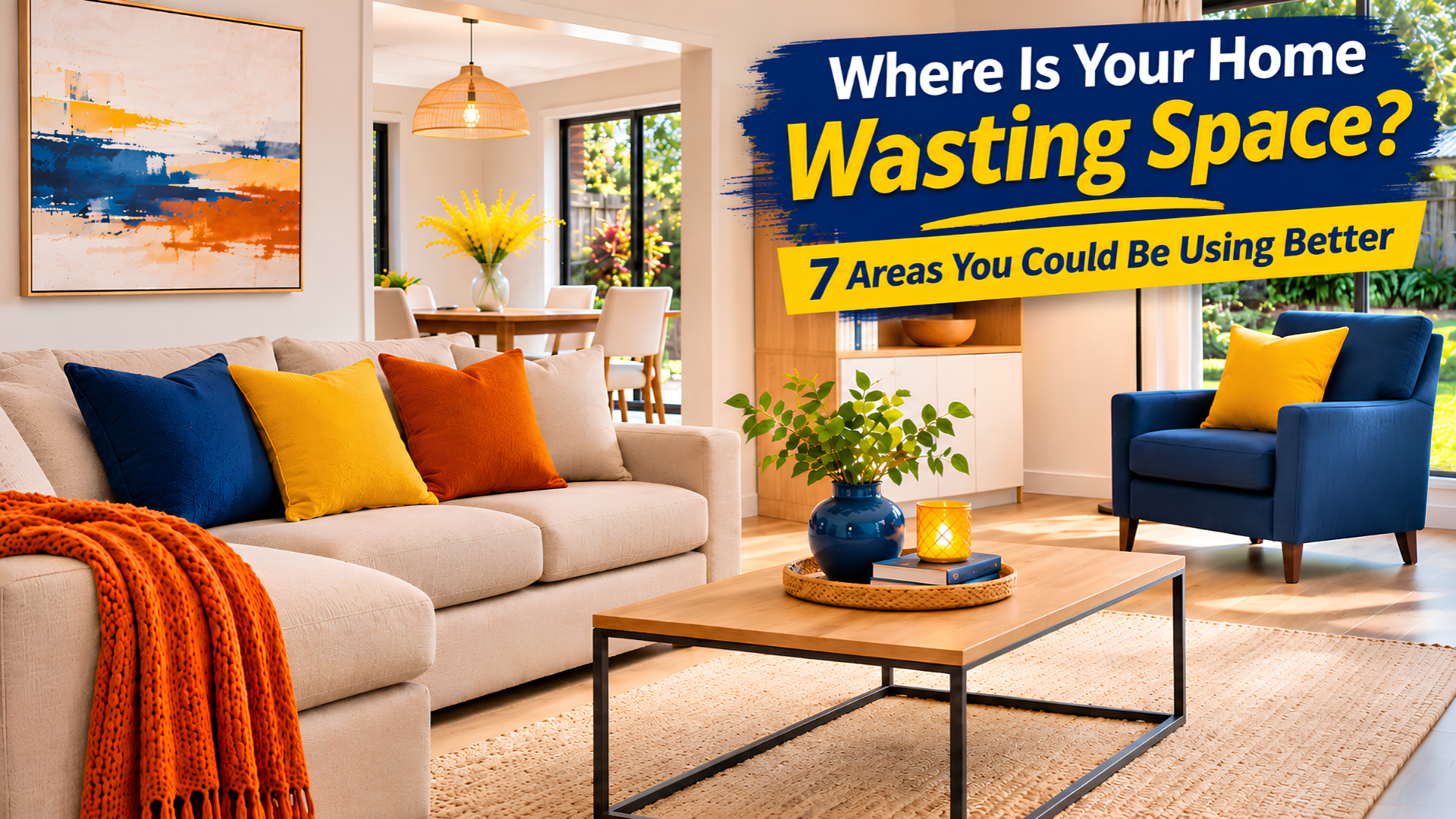
Have you ever looked around your home and thought, "I wish we had a bit more space"?
You might be surprised to learn that the problem isn't always the size of your home. Sometimes, it's how you're using the space you've already got.
From forgotten corners and cluttered spare bedrooms to furniture that's simply too big for the room, most homes have areas that could be working a little harder.
And the good news? You don't necessarily need to renovate, knock down walls or spend a fortune to make a difference.
Sometimes, a simple furniture change, a different layout or a clever storage solution is all it takes.
Here are seven areas of your home that might be wasting valuable space — and what you can do about them.
1. Those Empty Corners in Your Living Room
Take a look around your living room. Is there a corner that doesn't really serve a purpose?
Perhaps it's home to a lonely pot plant, a pile of magazines or nothing at all.
Corners are often overlooked when arranging furniture, but they can be surprisingly useful.
A comfortable accent chair and a small side table can turn an unused corner into a lovely spot to sit with a book or enjoy your morning coffee.
If storage is what you're lacking, a compact bookcase or corner shelving unit might be a better option.
The trick is to give the space a purpose without overcrowding it.
You don't need to fill every corner, either. Sometimes leaving a little breathing room makes the whole space feel more comfortable.
2. All That Space Under Your Bed
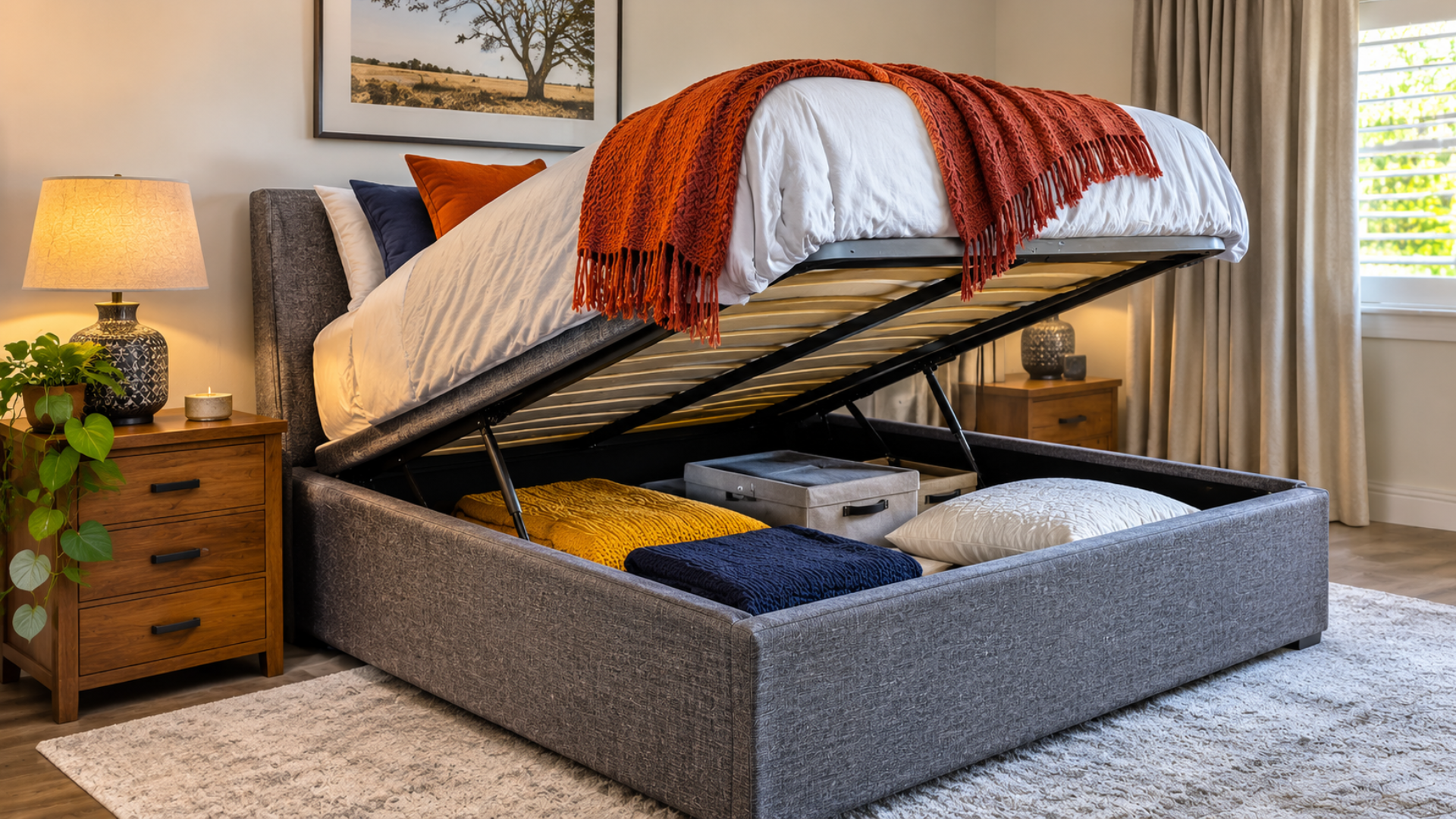
Your bed is probably one of the largest pieces of furniture in your bedroom. But have you thought about how much valuable space is sitting underneath it?
In many homes, that space is either empty or has become a hiding place for things we haven't looked at in years.
A storage bed can completely change how you use your bedroom.
Gas-lift beds, for example, allow the mattress and base to lift, revealing a generous storage compartment underneath.
It's a great place for spare bedding, winter blankets, extra pillows and other items you don't need every day.
And because everything is tucked away, your bedroom can feel less cluttered without needing another chest of drawers or cupboard.
It's particularly useful in smaller bedrooms where adding more furniture simply isn't an option.
Before buying a storage bed, consider how much room you'll need to access the storage and whether the lifting mechanism is easy for you to operate.
3. The Dining Room That Hardly Gets Used
Remember when the dining room was where everyone sat down for dinner?
These days, many households find themselves eating at the kitchen bench, outside on the patio or in front of the television.
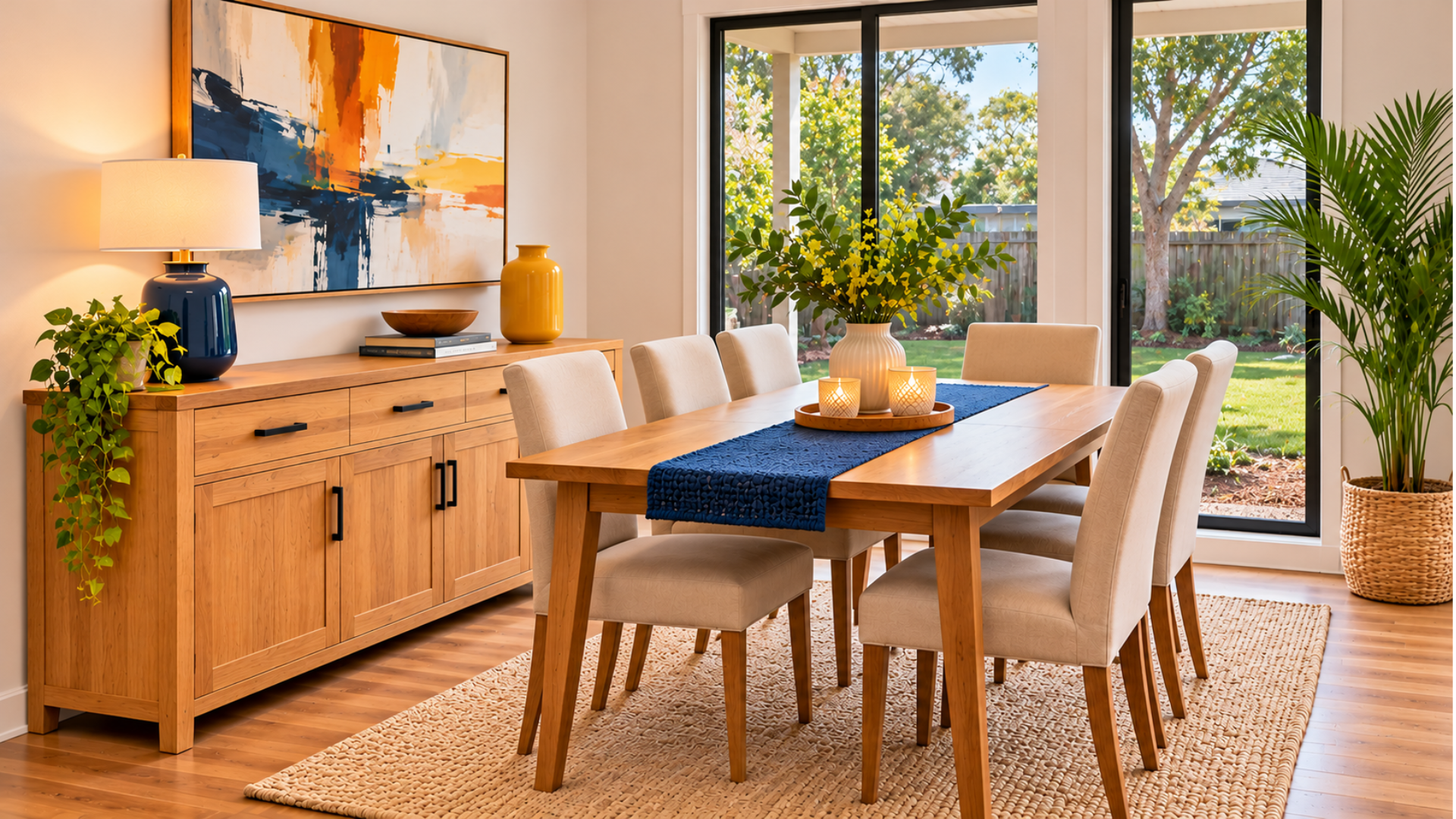
Meanwhile, that large dining table is taking up a significant amount of floor space and might only get used when visitors come over.
If this sounds familiar, it could be time to rethink your dining area.
A smaller dining setting may be all you need for everyday living. Round tables can work particularly well in compact areas because they don't have sharp corners to navigate around.
An extendable table is another practical option, giving you extra seating when you need it without occupying as much space every day.
And don't forget that a dining area can serve more than one purpose.
It might double as a homework station, a place to work on your laptop or somewhere to enjoy hobbies and craft projects.
Choose furniture that suits the way you actually live, rather than how you think a room should be used.
4. The Spare Bedroom That's Become a Storage Room
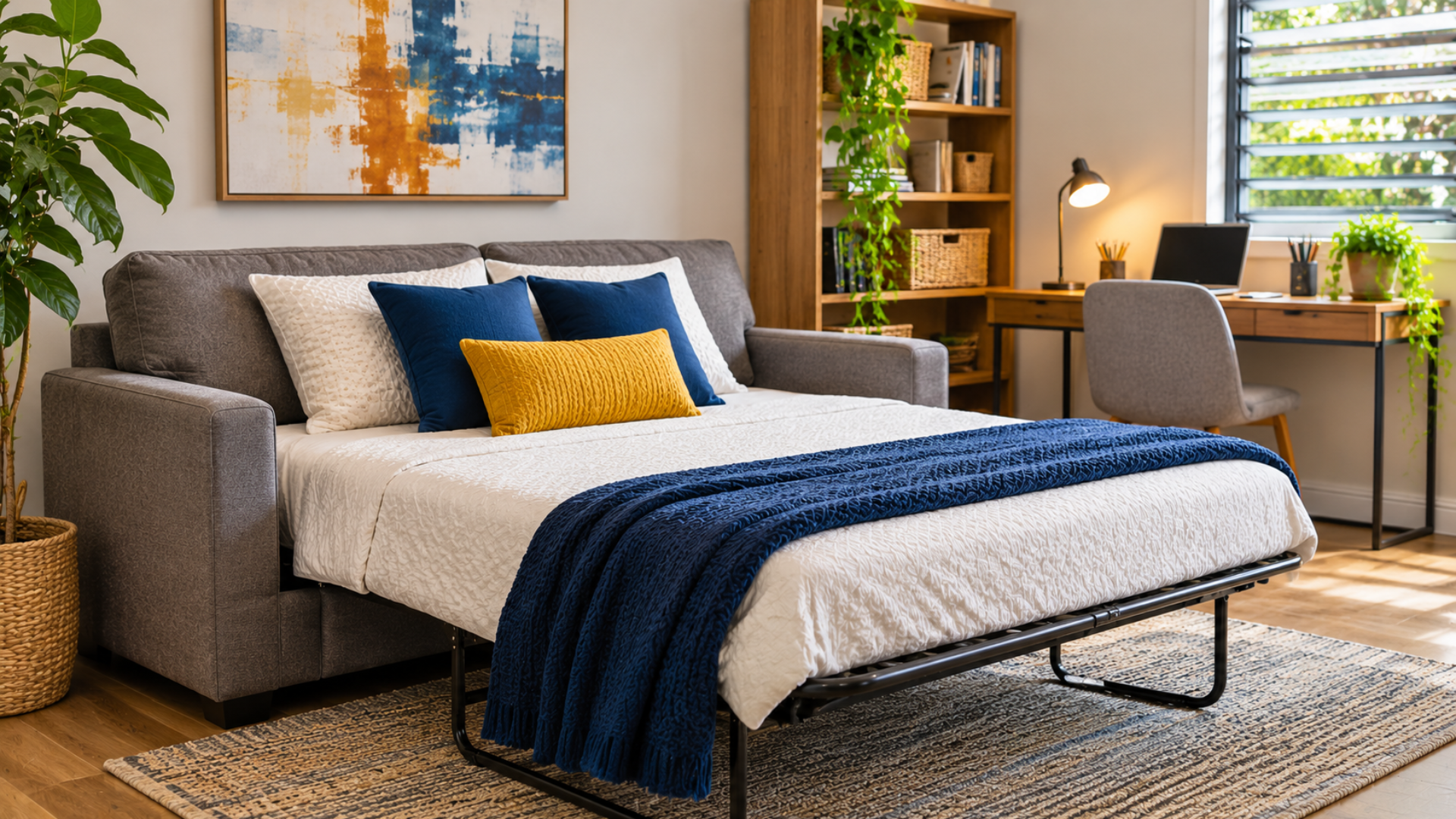
It's amazing how quickly a spare bedroom can turn into a dumping ground.
First, it's a couple of boxes. Then some old furniture. Before long, you can barely get through the door.
But if your spare bedroom is only used by guests a handful of times each year, is keeping a permanent bed in there really the best use of the space?
A sofa bed could be a much more practical solution.
During the day, the room can function as a home office, reading room or hobby space. When visitors arrive, it can quickly become a comfortable guest bedroom.
Adding a compact desk, bookcase or storage cabinet can make the room even more versatile.
The key is to avoid trying to squeeze too much into one space.
Think about the room's main purpose and choose furniture that supports it, while allowing it to serve another function when needed.
A spare room doesn't have to sit unused for most of the year just because you occasionally have visitors.
5. That Awkward Space Behind Your Lounge
In open-plan homes, lounges are often positioned away from the walls to separate the living and dining areas.
This can work beautifully, but it sometimes leaves an awkward gap behind the lounge that doesn't serve much purpose.
Depending on the space available, a narrow console table could be the answer.
It provides somewhere for a lamp, a few decorative pieces or everyday items without taking up too much additional room.
In larger open-plan areas, furniture placement can also help create separate zones without the need for walls.
For example, a lounge positioned with its back towards the dining area can help define the living space.
Adding a floor rug underneath the lounge setting can reinforce that separation and make the seating area feel more connected.
One important thing to remember is that not every gap needs to be filled.
Make sure there's still enough room to move comfortably around the furniture, particularly in areas people regularly walk through.
6. Your Hallway or Entryway
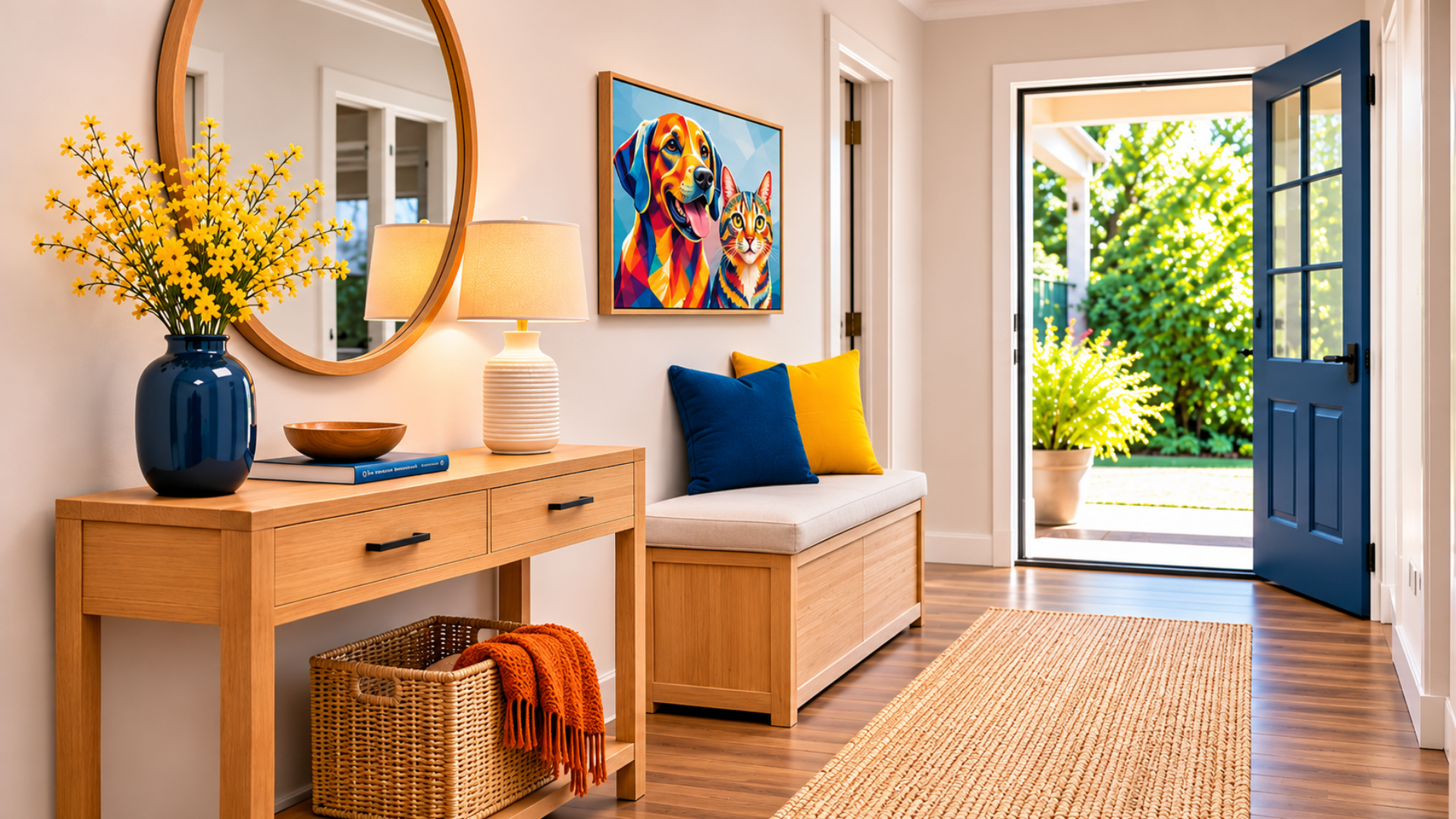
Hallways are usually treated as nothing more than a way to get from one room to another.
But depending on their width and layout, they can offer opportunities for extra storage or functionality.
A slim hallway table can provide a handy place for keys, mail and other everyday essentials.
A small bench near the front door might give you somewhere to sit while putting on shoes, while a compact shoe cabinet can help keep the entrance tidy.
Even something as simple as a mirror can make a narrow entryway feel brighter and more welcoming.
The important thing is to choose furniture that suits the available space.
A bulky cabinet in a narrow hallway will only make it harder to move around.
Measure carefully before adding anything, and make sure you're not restricting access to doorways or creating obstacles.
A functional entryway doesn't need to be large. It just needs to make everyday life a little easier.
7. The Floor Space You're Losing to Oversized Furniture
This is probably one of the biggest space-wasting mistakes we see in homes.
A lounge might look fantastic in a large furniture showroom, but once it's delivered, you realise it dominates the entire living room.
Suddenly, there's barely enough room for a coffee table, and getting around the furniture becomes an obstacle course.
The same applies to oversized dining tables, bulky bedroom furniture and recliners that need additional clearance when they're extended.
Before buying furniture, take a few measurements.
Consider not just whether the furniture will physically fit, but how much room you'll have left to move around it comfortably.
Sometimes a two-seater lounge and an occasional chair will work better than a large corner lounge.
In other rooms, a compact recliner might provide all the comfort you need without occupying as much floor space.
Furniture with raised legs can also help a room feel more open because you can see more of the floor underneath it.
And speaking of flooring, it's worth considering how your floor coverings influence the overall feeling of space.
Using consistent flooring through adjoining living areas can create a more continuous appearance, particularly in open-plan homes.
Likewise, choosing a floor rug that's appropriately sized for your furniture arrangement can help bring the room together rather than making it feel disjointed.
The goal isn't necessarily to have less furniture. It's to have furniture that's the right size, shape and function for your home.
Small Changes Can Make a Big Difference
Making better use of your home doesn't mean every available space needs to be filled with furniture or storage.
In fact, sometimes the best improvement is removing something that no longer serves a purpose.
Start by walking through your home and looking at each room with fresh eyes.
Ask yourself:
Is there an area that isn't being used?
Do we have furniture that's too large for the space?
Could one piece of furniture serve more than one purpose?
Are we storing things in rooms where they don't belong?
Would rearranging the furniture make the room easier to use?
You might discover that a room you've always considered too small actually has plenty of potential.
And you don't have to tackle the whole house at once.
Start with one area, make one change and see how much difference it makes.
After all, a home that works well for you is far more important than one that simply looks good.
Make the Most of Your Space with Ron Mahers Flooring & Furniture
Whether you're looking for a more compact lounge, a comfortable recliner, a practical sofa bed, a storage bed or a dining setting that better suits your home, choosing the right furniture can make all the difference.
At Ron Mahers Flooring & Furniture, we have a range of furniture and flooring options to help you create a home that's comfortable, practical and suited to the way you live.
Visit our showroom at 265 Alice Street, Maryborough, and have a look at what's available.
Sometimes, making better use of your space starts with finding just the right piece of furniture.