How to Refresh a Room Without Doing a Full Renovation
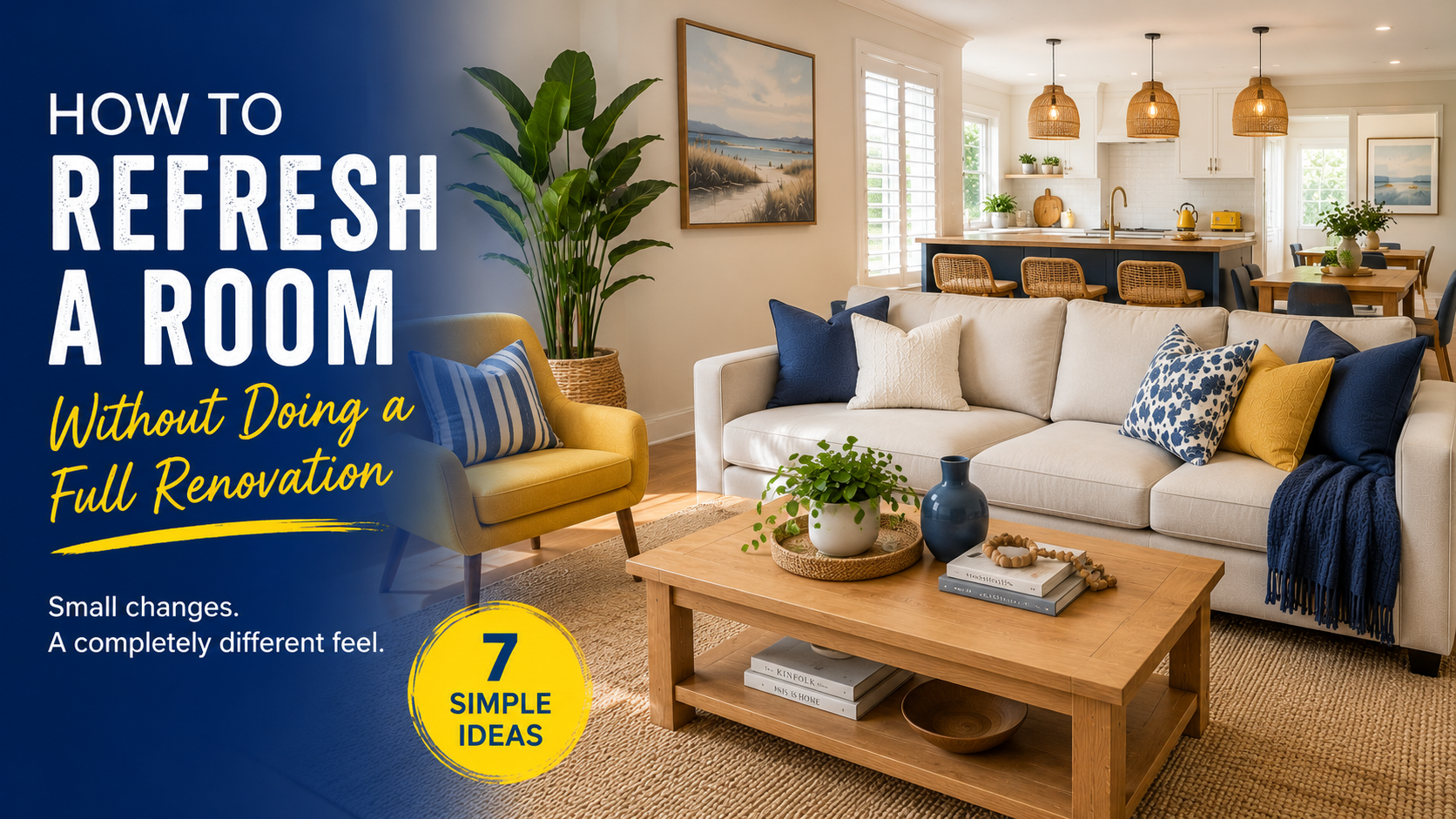
Sometimes a room just doesn't feel right anymore. The furniture might be looking tired, the flooring has seen better days, or the whole space simply feels a little dated.
The good news? You don't necessarily need a full renovation to change it.
A few well-considered updates can completely change how a room looks, feels and functions. And you don't have to do everything at once.
Here are some of the best places to start.
1. Start From the Floor Up
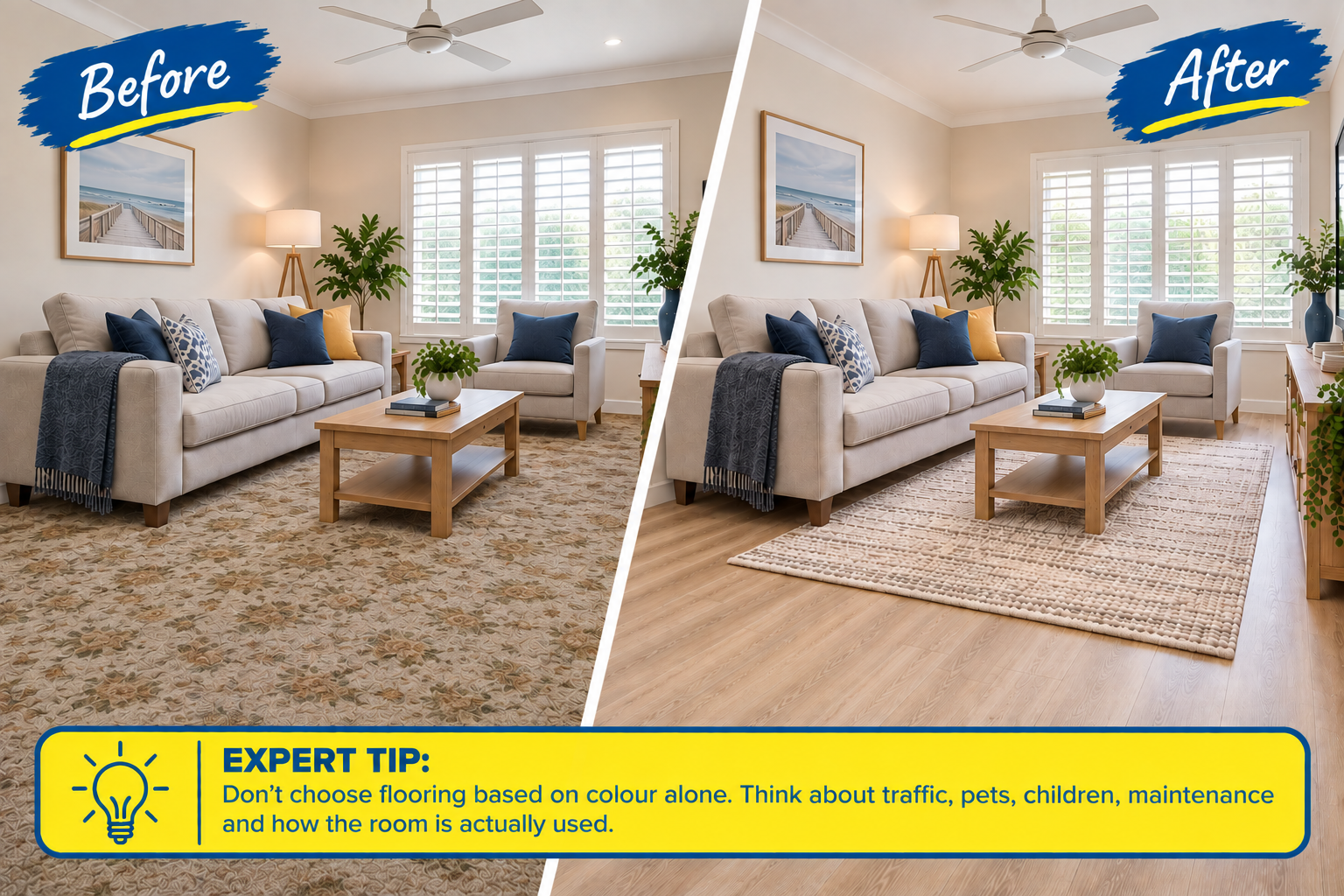
Flooring is one of the largest surfaces in any room, which means it has a big influence on the overall look.
Old or worn flooring can make an otherwise well-presented room feel tired. Changing it can provide an entirely new foundation for the space.
Carpet can add softness, warmth and comfort, while timber-look, hybrid and vinyl flooring can create a cleaner, more contemporary feel.
But don't choose flooring based on colour alone.
Think about how the room is actually used. Does it get a lot of foot traffic? Are there children or pets? How much maintenance are you prepared to do?
The right floor needs to work for your home as well as look good in it.
2. Add or Change a Floor Rug
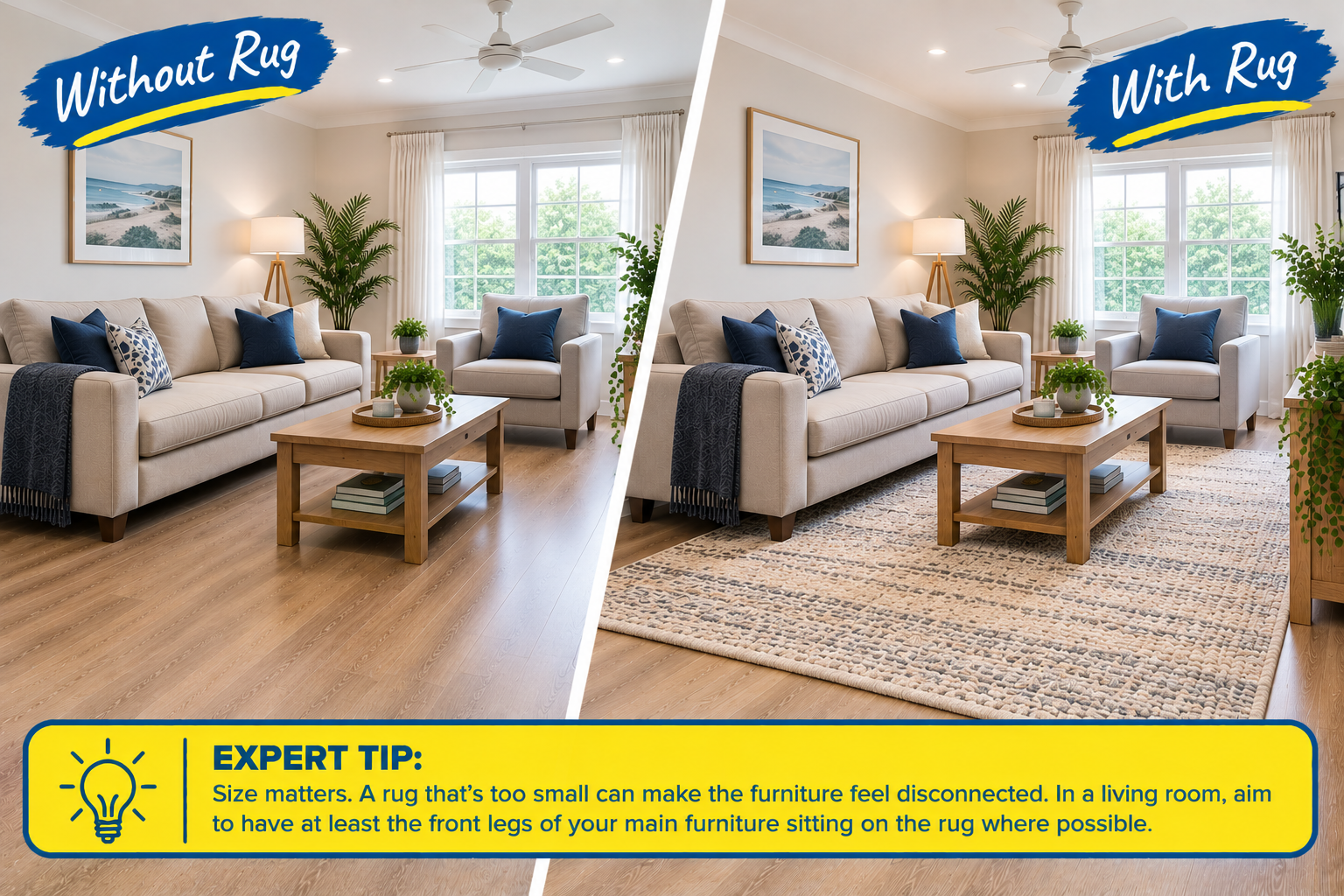
Not ready to replace the flooring? Try changing the rug.
A floor rug is one of the simplest ways to introduce colour, pattern and texture without making a permanent change. It can also help define an area, particularly in an open-plan living and dining space.
Just make sure the rug is large enough.
A common mistake is choosing a rug that's too small, which can make the furniture around it feel disconnected. In a living room, having at least the front legs of your main furniture sitting on the rug can help visually bring everything together.
3. Make the Lounge the New Focal Point
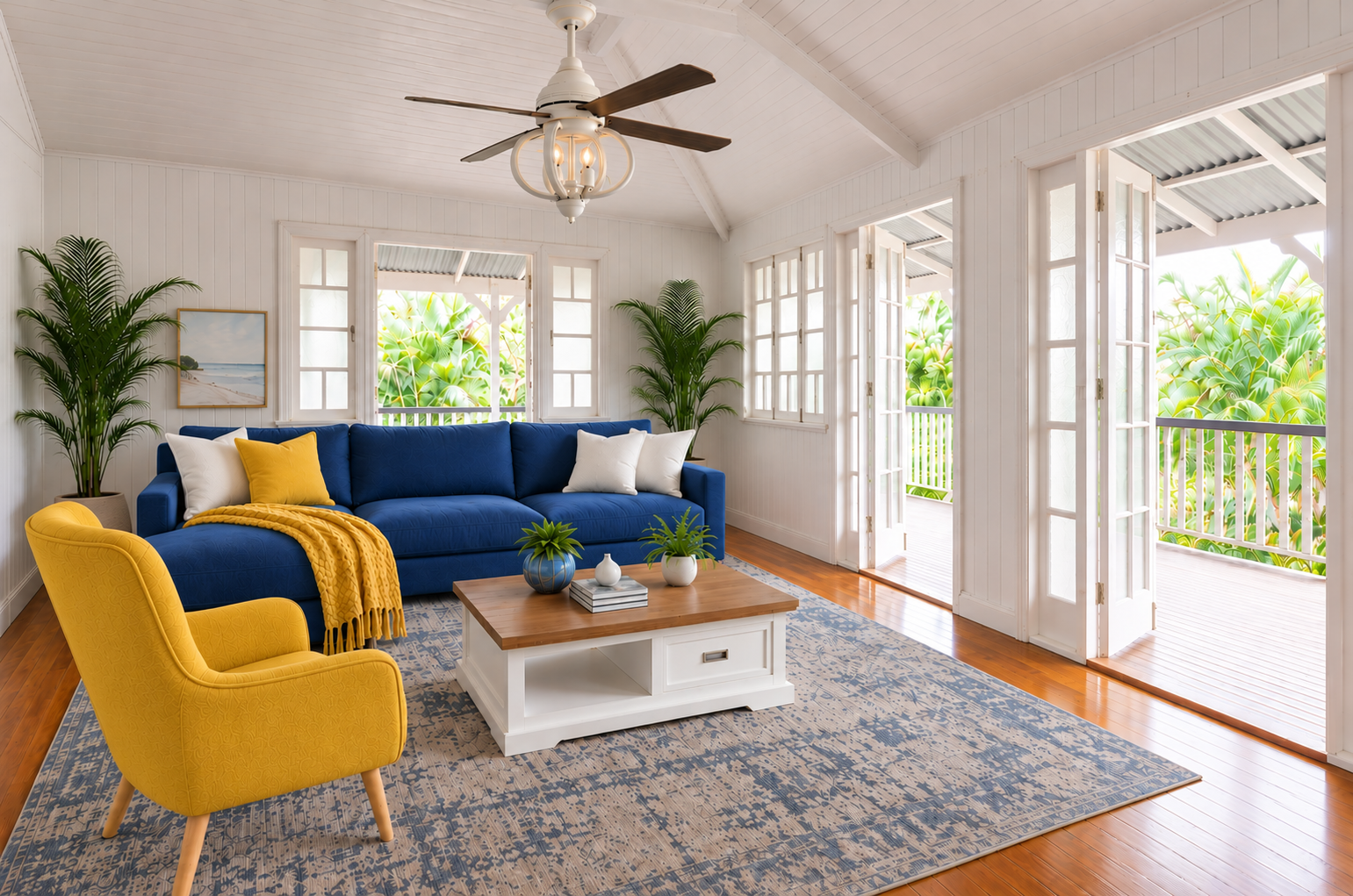
In most living rooms, the lounge is one of the first things you notice.
If yours is worn, oversized or no longer suits the way you use the room, replacing it can completely change the space without touching anything else.
Think about proportion as well as comfort.
The biggest lounge you can squeeze into a room isn't necessarily the best choice.
A neutral lounge can provide a versatile starting point, allowing you to change the look later with cushions, throws and accessories. Recliners and modular designs can also improve how the room functions, not just how it looks.
And before you fall in love with a new lounge, measure the room and the access into it. Doorways, hallways and tight corners matter too!
4. Update the Smaller Furniture Pieces
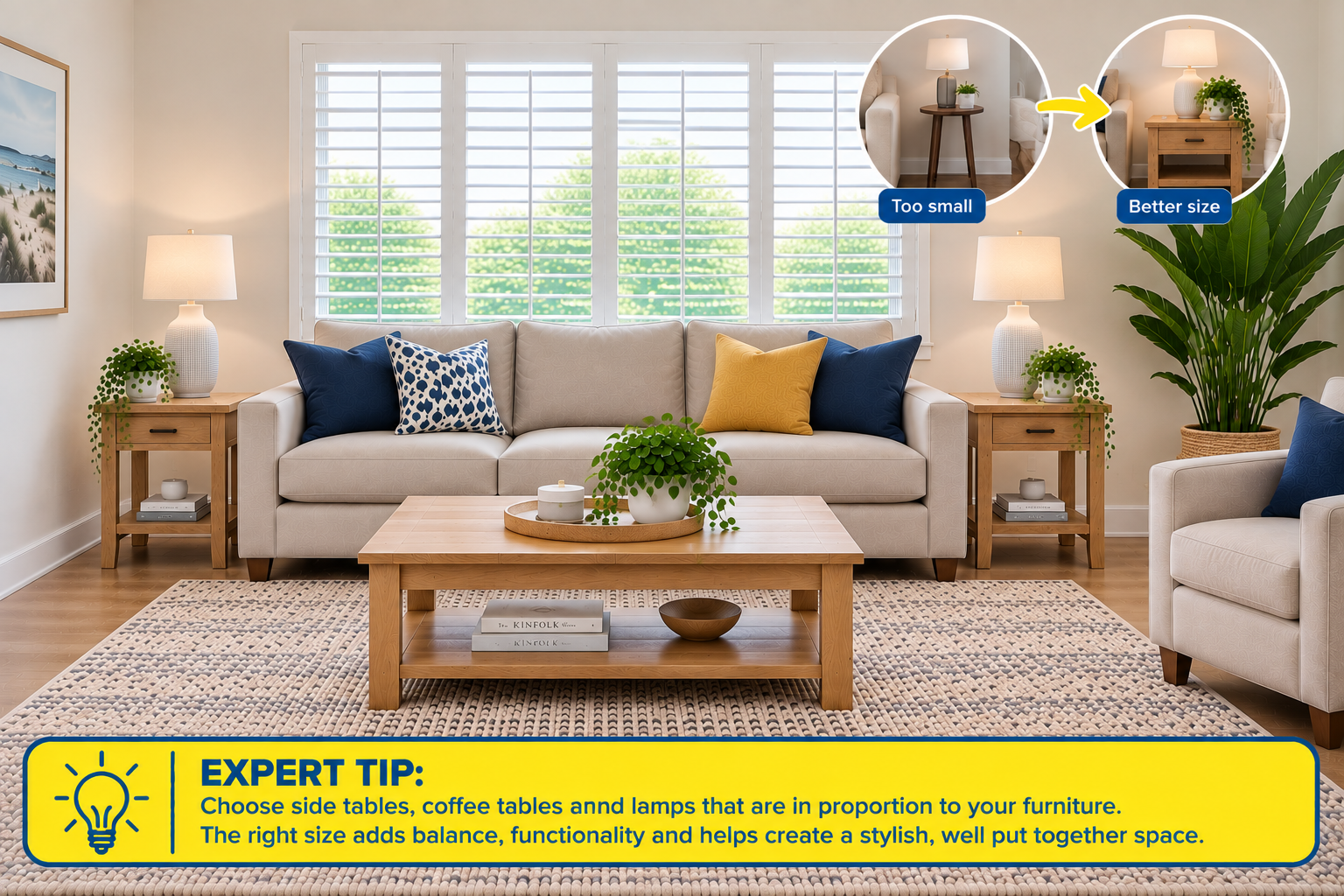
You don't have to replace every piece of furniture at the same time.
A new coffee table, lamp table, hallway table or occasional chair can introduce a different style without the expense of completely refurnishing the room.
And everything doesn't have to perfectly match.
Mixing pieces can actually make a room feel more relaxed and collected. The trick is to create some connection between them. Repeating similar timber tones, colours, materials or shapes can help different pieces work together.
5. Introduce Colour Through Accessories
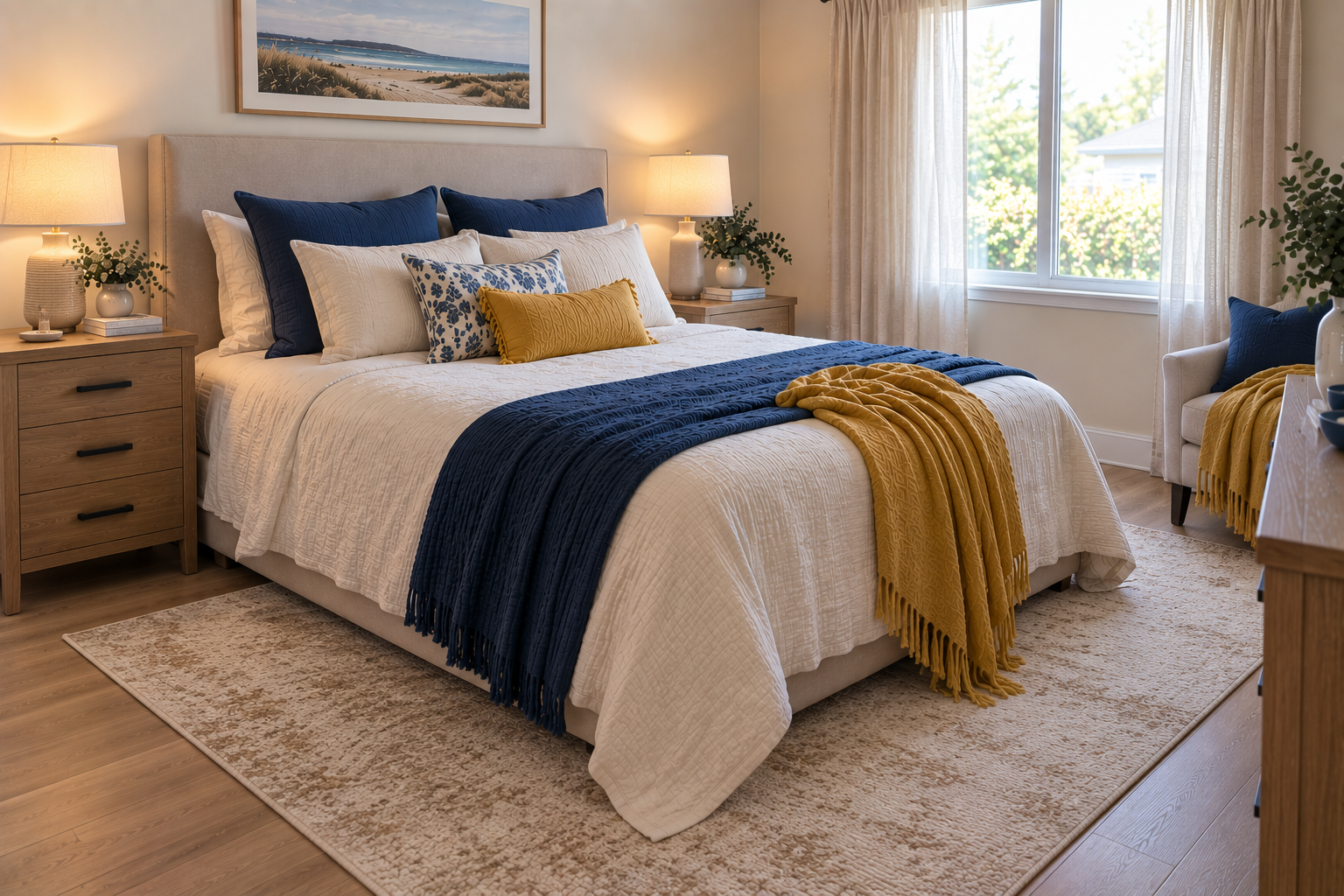
Cushions, throws, artwork and decorative pieces are where you can have some fun.
They're also much easier (and less expensive) to change if you decide you want a different look later.
If your flooring and larger furniture pieces are relatively neutral, accessories can introduce stronger colours without overwhelming the room.
Try choosing two or three colours and repeating them throughout the space rather than adding lots of unrelated colours.
And remember, it's not all about colour. Different fabrics, weaves and finishes can add texture and interest even when you're working with a fairly simple colour palette.
6. Try Moving Things Around Before Buying Anything
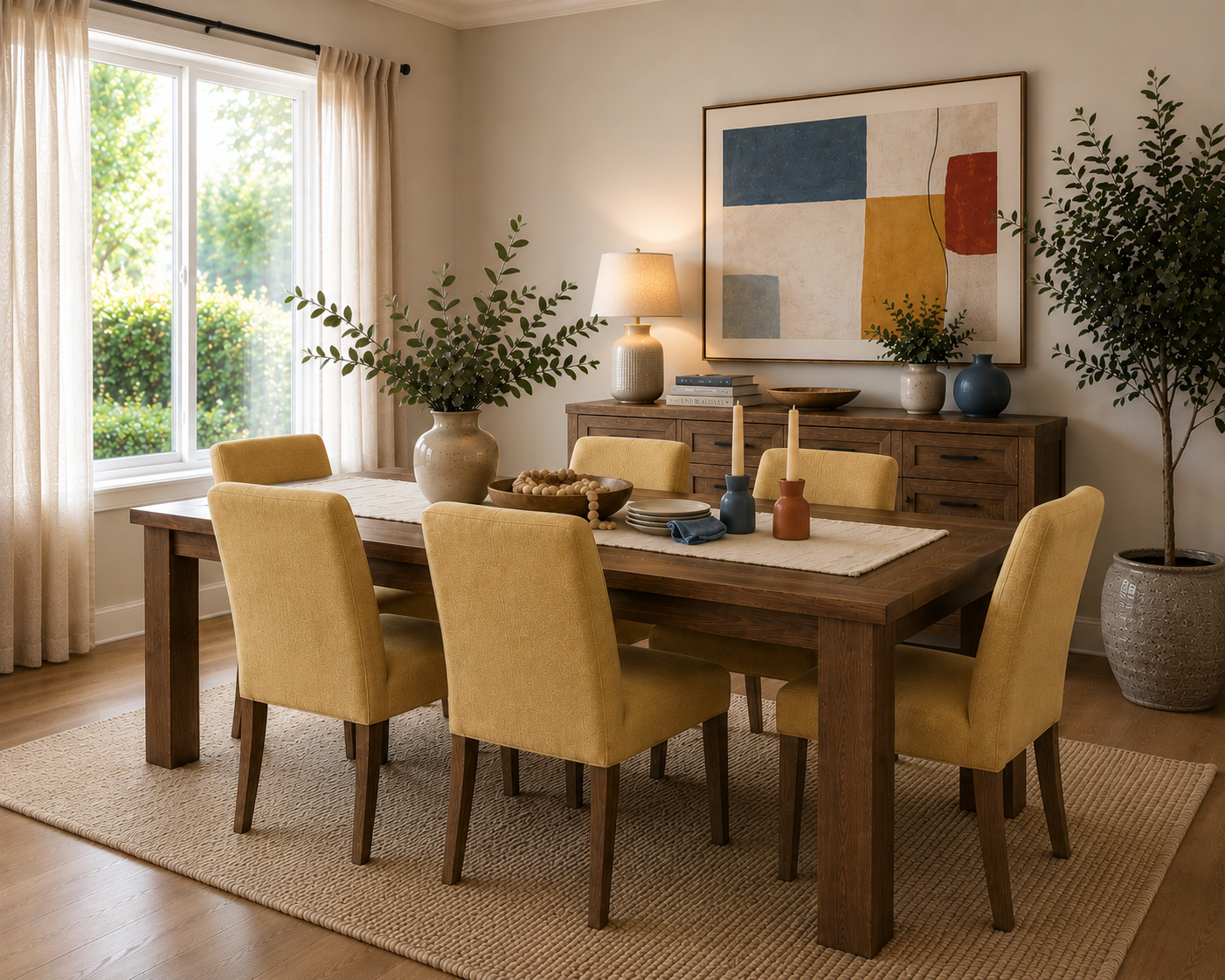
Here's a room refresh that costs nothing.
Move the furniture!
Sometimes a room feels tired because the layout simply isn't working anymore. Repositioning a lounge, removing an unnecessary piece or changing the direction the room faces can make a surprising difference.
Think about where people naturally walk, how the furniture encourages conversation, where the windows are and what you want the focal point to be.
And don't automatically push everything against the walls.
Most importantly, before adding another piece of furniture, ask yourself:
Does this room actually need something more? Or would it look better with something taken away?
7. You Don't Have to Do It All at Once
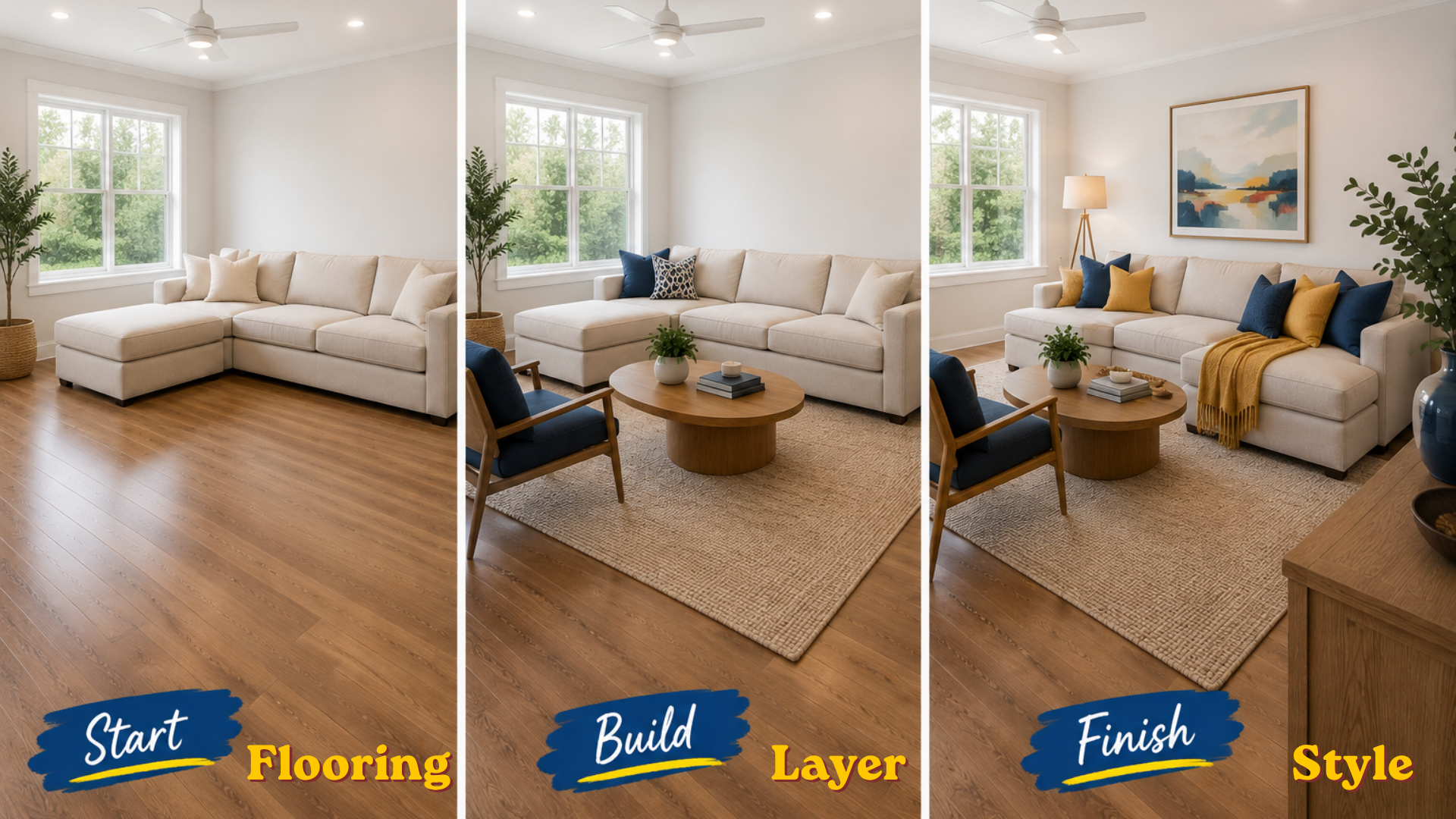
One of the easiest ways to make expensive mistakes is trying to choose everything at the same time.
Instead, start with the elements that have the biggest impact.
If the flooring needs replacing, start there. If the flooring is staying, your lounge or another major furniture piece might become the starting point.
Then build around it.
Add the rug and occasional furniture, followed by cushions, throws, artwork and accessories.
Working in stages gives you the chance to see how each new element changes the room before deciding what it needs next.
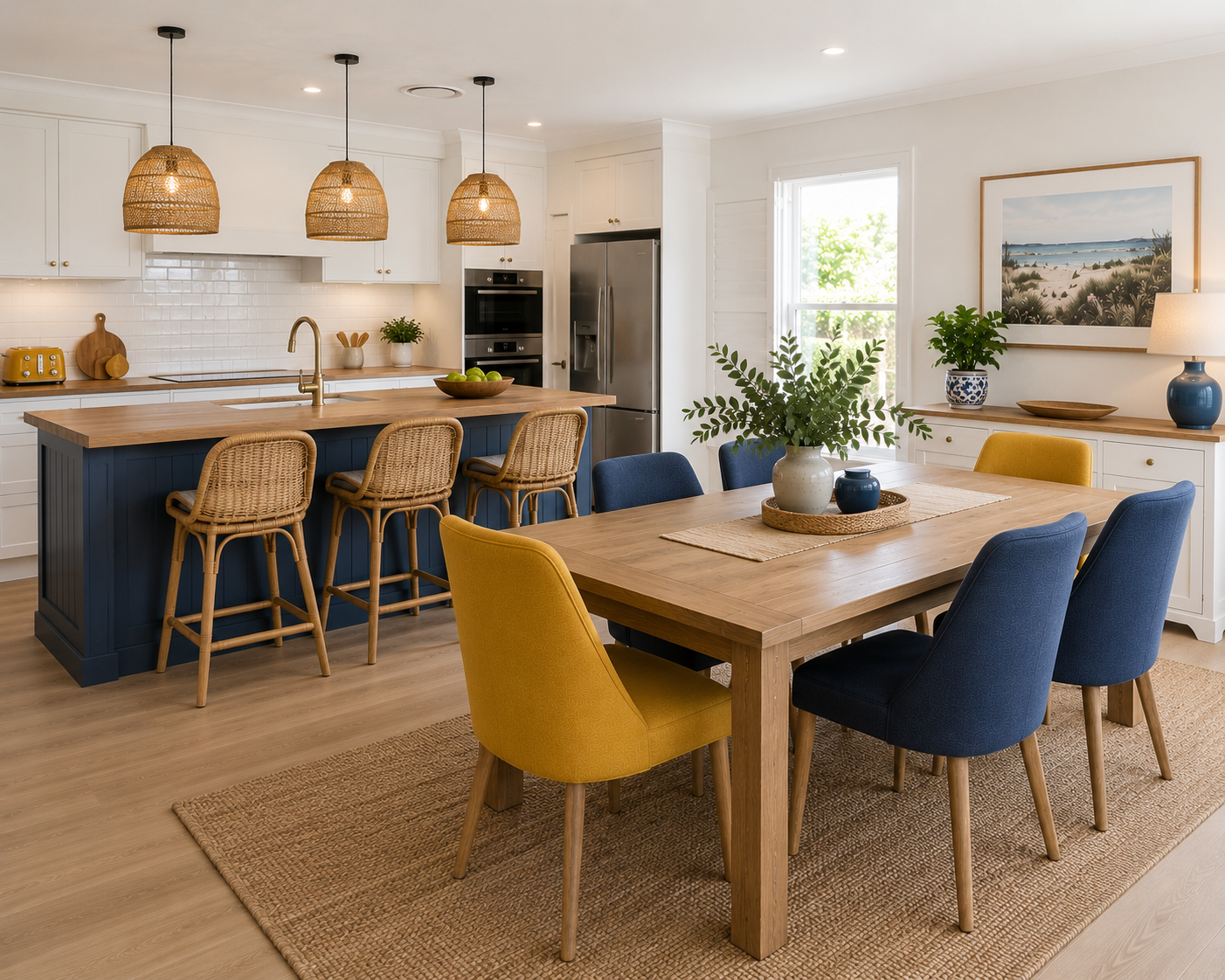
A Fresh Room Without the Full Renovation
Refreshing a room doesn't have to mean ripping everything out and starting again.
Sometimes new flooring will make the biggest difference. Sometimes it's the lounge, a new rug or a few smaller furniture pieces.
And sometimes, all the room really needs is a better layout and a splash of colour.
The key is to think about how you want the room to work first, and how you want it to look second. Once you get those two things working together, even relatively small changes can make a big difference.
Thinking about giving a room a fresh look?
Visit Ron Mahers Flooring & Furniture and explore our range of flooring, rugs and furniture. We can help you find options that suit your space, lifestyle and budge, without turning it into a full renovation project.