Has Your Home Kept Up With You? How to Make Your Space Work for the Way You Live Now
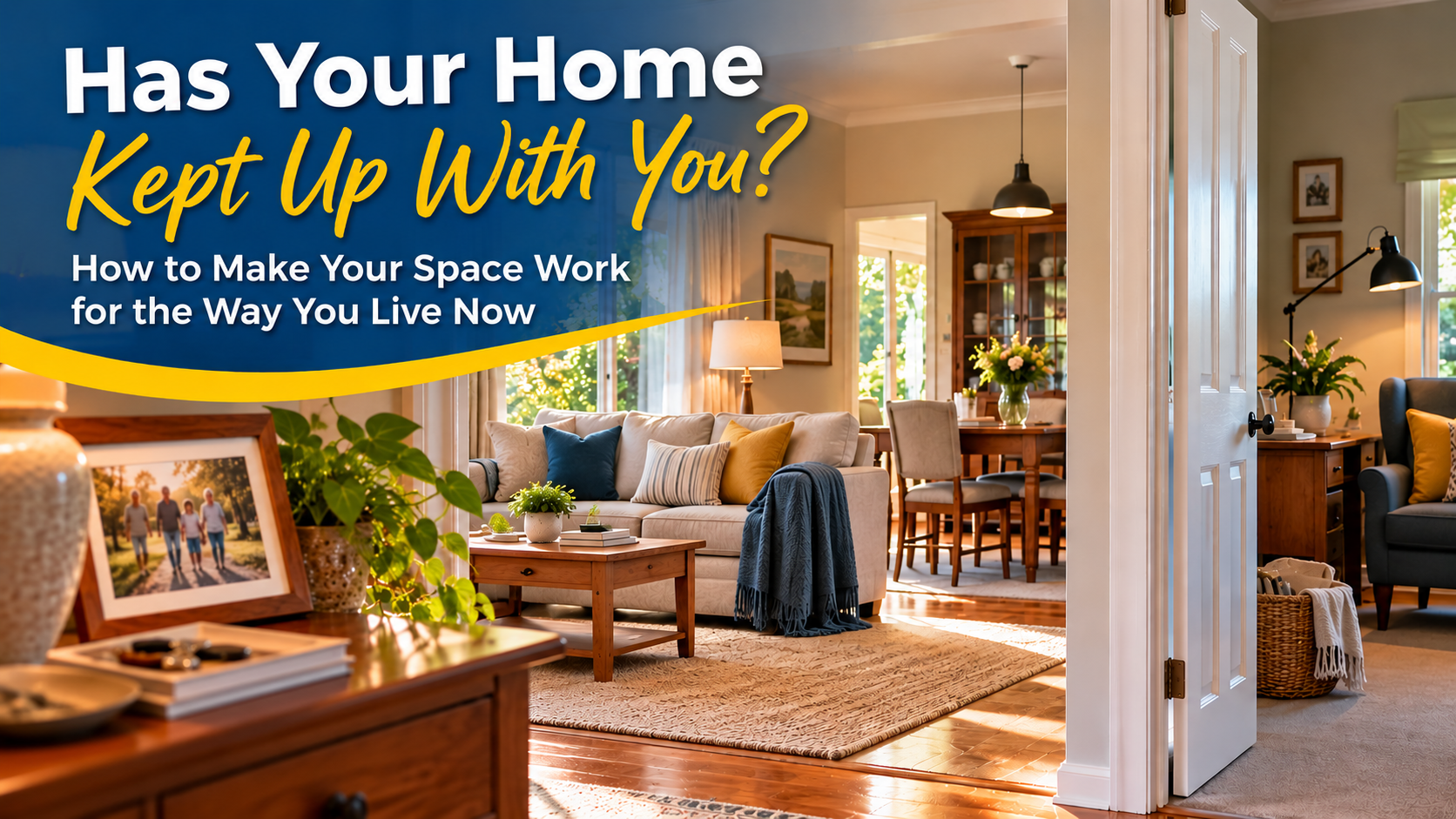
A lot can change over the years.
Children grow up and move out. Work changes. Retirement arrives. Grandchildren come along. Hobbies that once had to fit around a busy family life suddenly have a little more room.
But while our lives change, our homes don't always change with us.
That spare bedroom might still look much the same as it did when the kids lived at home. The dining table that once seated the whole family might now be used by two people most nights. A lounge bought years ago might still look perfectly good, but perhaps it isn't as comfortable as it once was.
Sometimes we become so accustomed to our homes that we stop asking a fairly simple question:
Does my home still suit the way I live today?
The good news is that making your home work better doesn't necessarily mean renovating it. Sometimes a few thoughtful changes can make a surprisingly big difference.
1. The Spare Bedroom Doesn't Have to Stay a Spare Bedroom
When children leave home, it's easy for their old bedroom to become a room that's rarely used, or slowly turn into storage. But that's valuable space.
Think about what you would actually enjoy having in your home now.
Could it become a sewing or craft room?
A quiet place to read?
A home office?
Somewhere to exercise?
A room for a hobby you've always wanted more space for?
And it doesn't necessarily have to stop being a guest room.
A carefully planned room can serve two purposes, giving you somewhere useful every day while still providing space for family or friends when they stay.
Instead of asking, "What is this room supposed to be?", try asking:
"What would I actually enjoy using this room for?"
2. Do You Still Need the Formal Dining Room?
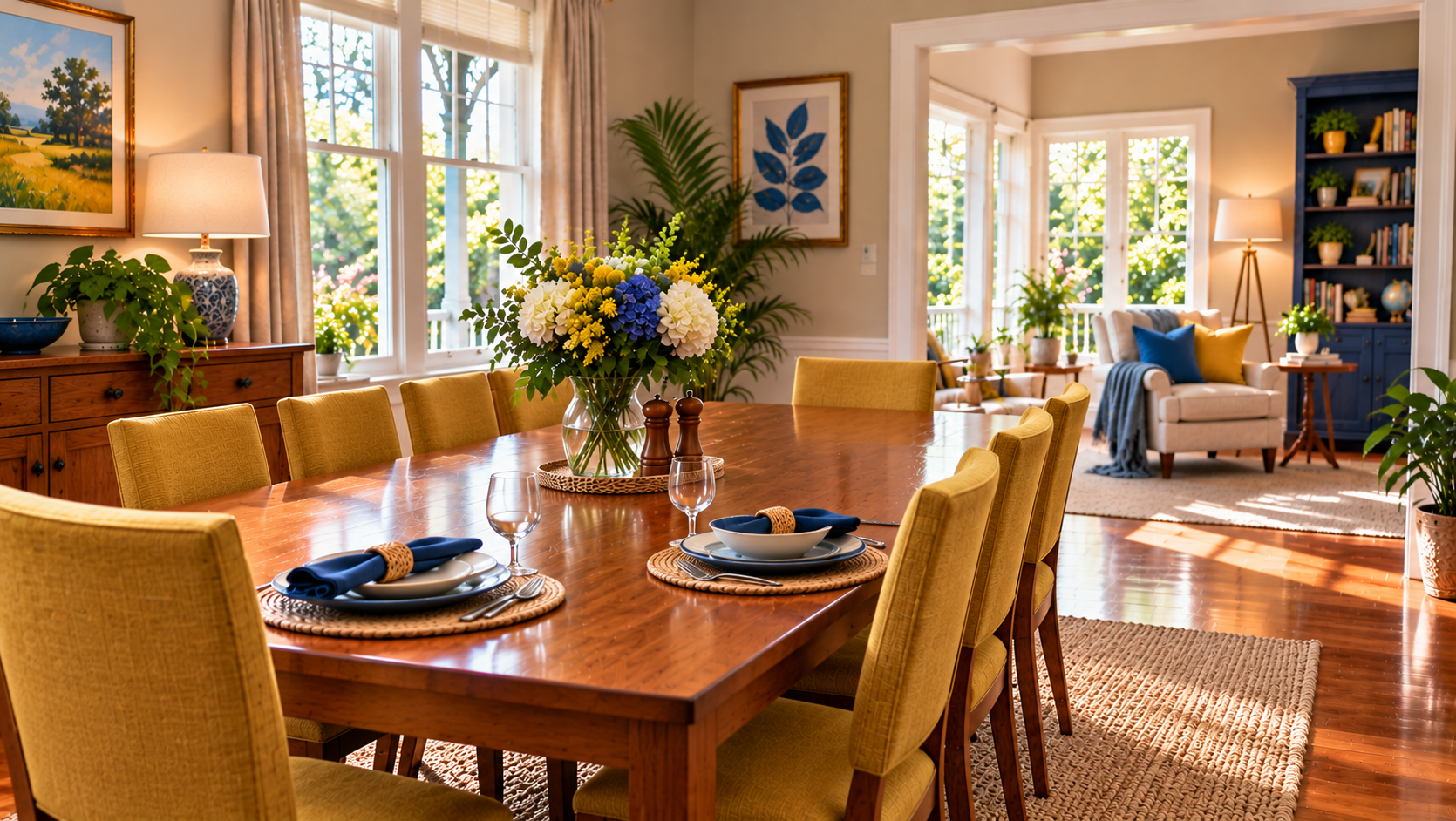
Many homes have dining areas that were designed for a very different stage of family life.
There may have been a time when six or eight people regularly sat around the table. These days, perhaps it's usually only one or two.
That doesn't mean the big dining table has to go. If family gatherings are important to you, keeping it may make perfect sense.
But if a large dining setting occupies a significant part of a room and is only used a few times each year, it might be worth reconsidering.
A smaller dining setting could free up room for an additional sitting area, a favourite chair, extra storage or simply more open space.
An extendable table can also provide a good compromise, smaller for everyday use, but with the ability to accommodate the family when everyone comes over.
3. Comfort Might Matter More Than It Used To
Furniture doesn't have to be falling apart before you consider replacing it. Sometimes it simply doesn't suit you anymore.
The lounge you loved 15 or 20 years ago may feel too deep now. A low chair can be harder to get in and out of. Or perhaps you've reached the point where you'd simply prefer putting your feet up in a recliner at the end of the day.
When looking at new furniture, don't concentrate only on how it looks. Sit in it.
Think about the seat height and depth. Is your back properly supported? Can you comfortably get in and out? Does a recliner suit the way you like to relax? Would a lift chair make everyday life a little easier?
The furniture that suited you 20 years ago doesn't necessarily have to be the furniture that suits you today.
Comfort isn't something you need to justify.
4. Take Another Look at How You Move Through Your Home
Furniture tends to accumulate.
An extra chair gets added here. A side table goes there. Something inherited from a family member finds a permanent home because there wasn't anywhere else to put it.
Before long, a room can have considerably more furniture than it really needs.
Take a walk through your home and pay attention to how easily you move from one room to another.
Are you constantly walking around the end of a lounge?
Is there a chair nobody uses blocking part of a walkway?
Is a large coffee table taking up more space than it's worth?
Sometimes removing or repositioning just one piece of furniture can completely change how a room feels.
More furniture doesn't always make a room more useful.
5. Reclaim a Room You've Stopped Using
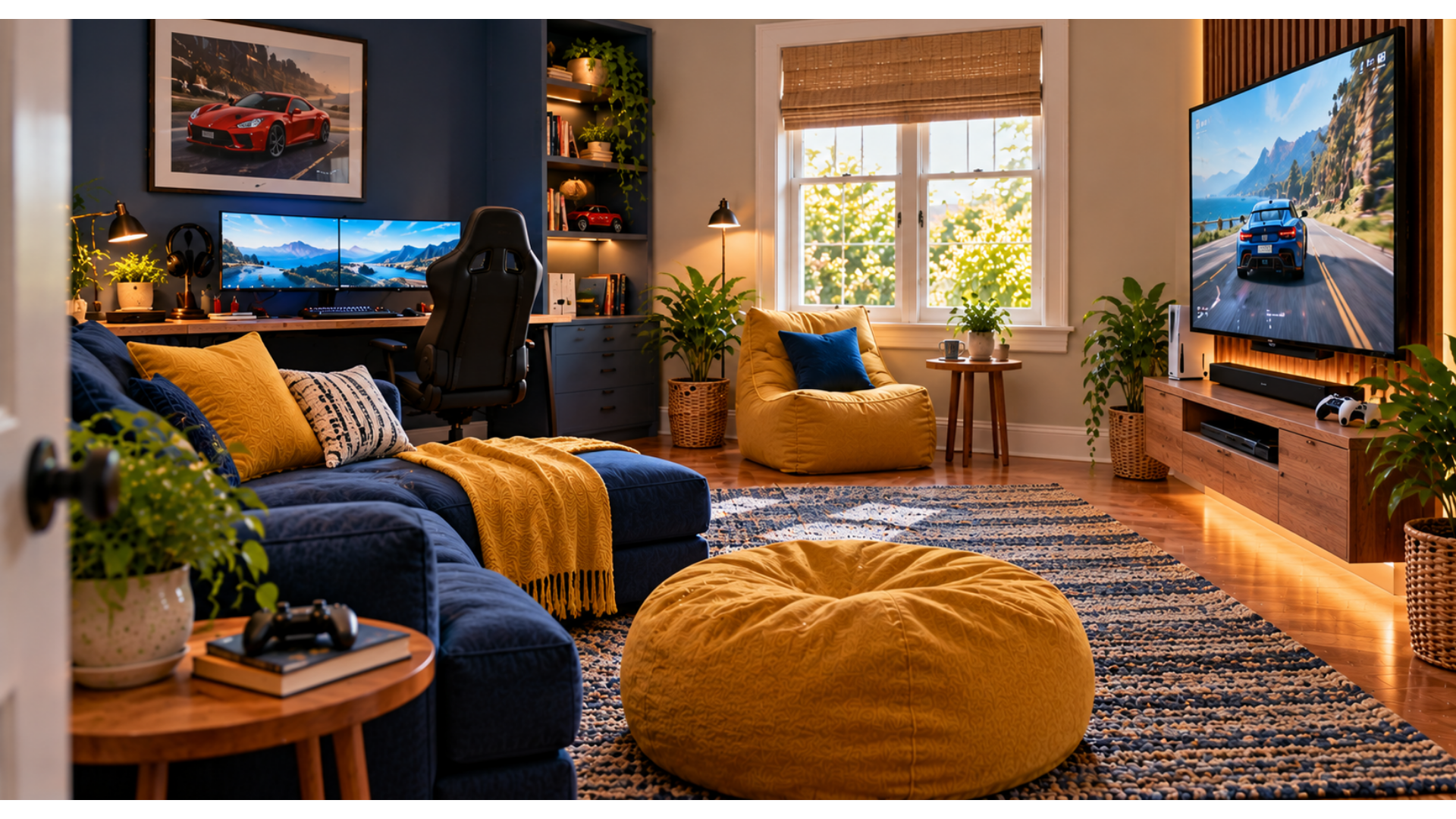
There's often one room in a house that doesn't really have a purpose anymore.
Maybe it's a formal lounge that hasn't been sat in for years. Perhaps it's a spare bedroom that's gradually filled with boxes. Or it could be a dining room that only gets used at Christmas.
Here's an interesting question to ask yourself:
If that room were completely empty tomorrow, what would you put back into it?
You might discover that the answer is very different from what's currently there.
Perhaps you'd create a comfortable reading room.
Maybe you'd finally have somewhere for sewing, painting, music, puzzles or another hobby.
It could become a television room, a home office or somewhere the grandchildren can play when they visit.
You already own the space. You might as well enjoy using it.
6. Think About What's Underfoot
Flooring is another part of the home that can remain unchanged long after your lifestyle has moved on.
Carpet that handled years of children running through the house may now be showing its age.
Different flooring installed at different times might leave the house feeling disconnected.
Or there may be areas that have simply become difficult to keep looking good.
That doesn't automatically mean the flooring needs replacing. But it's worth looking at it with fresh eyes.
Consider how easy it is to clean, whether there are damaged or worn areas and how the flooring feels underfoot.
Also look at the transitions between rooms. In some homes, using the same or complementary flooring through several areas can create a much more connected feeling.
And if your existing flooring still looks good and works perfectly for you? Leave it alone.
Changing your home should be about solving a problem. Not finding things to replace simply for the sake of it.
7. Make Space for the Things You Actually Enjoy
For many years, the way a house is organised revolves around necessity.
There are children's bedrooms, school bags, toys, work equipment, homework areas and all the other things that come with a busy household.
When that stage of life changes, something interesting happens.
You can start organising parts of the house around what you enjoy doing.
Maybe you've always wanted somewhere permanent to leave a jigsaw puzzle set up.
Perhaps you'd like a proper sewing table instead of packing everything away each time.
Maybe it's a comfortable chair beside a window where you can read with a cup of tea.
It doesn't have to be an entire room, either.
An unused corner can sometimes become one of your favourite parts of the house with the right chair, small table, lamp and rug.
Your home isn't just somewhere to keep your belongings. It should also make it easier to do the things you enjoy.
8. Make It Work for Family Visits Too
Of course, just because children have moved out doesn't mean they've disappeared.
And sometimes they come back with a few extra people.
Grandchildren stay overnight. Family comes home for Christmas. Friends visit. Suddenly the quiet two-person household needs to accommodate eight or ten people again.
That's where flexible spaces can work particularly well.
A spare bedroom can double as an office or hobby room. An extendable dining table can remain compact most of the year. An occasional chair can provide extra seating without dominating the lounge room.
The aim isn't to design your entire home around the few days each year when everybody visits.
It's to make the house work well for you every day, while still being able to accommodate the people who matter when they're there.
9. You Don't Have to Change Everything at Once
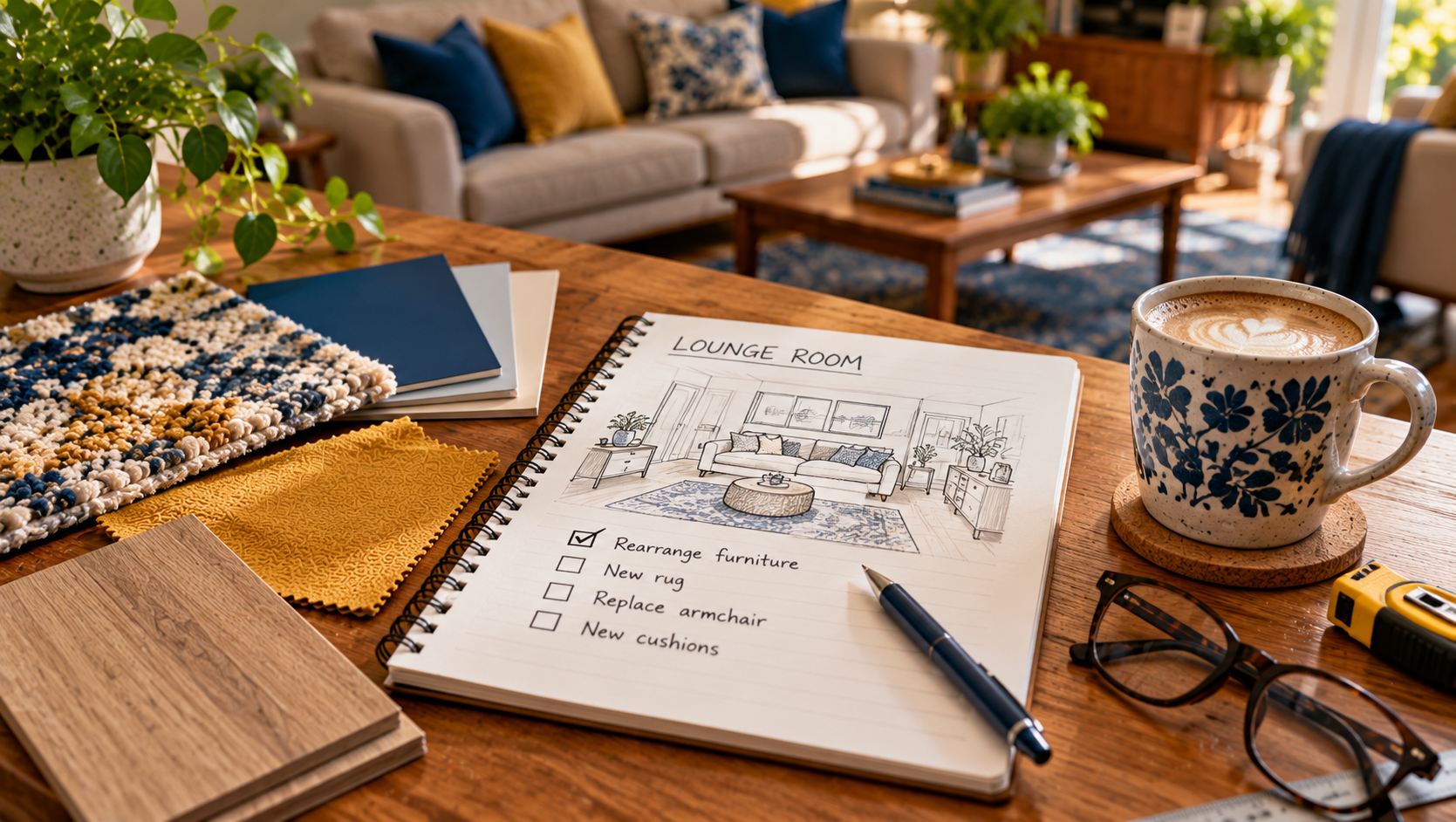
Once you start looking around the house, it's easy to create a very long list. Don't.
Instead, identify the one room that works least well for the way you live today. Start there.
It might not even require buying anything.
Try moving the furniture around. Remove something you don't use. Swap a chair from one room to another. Clear out a spare room and live with the empty space for a few days before deciding what should go back.
If something does need replacing, think about what problem you want the new item to solve.
Do you need a more comfortable lounge?
A smaller dining table?
New flooring that's easier to live with?
A rug to define a sitting area?
A supportive mattress?
When you start with the problem rather than the product, it's much easier to make a choice that you'll be happy with.
Your Home Should Suit the Life You're Living Now
A home doesn't need to remain frozen at the point when you first furnished it. Life changes.
Children leave home. Grandchildren arrive. Work slows down or finishes altogether. Hobbies become more important. The way you spend your day changes, and what you want from your home changes with it.
That doesn't mean you need a major renovation or a house full of new furniture.
Sometimes it means moving a chair.
Sometimes it means finally reclaiming the spare bedroom.
And sometimes it means replacing something you've lived with for years with something that's simply more comfortable or practical.
The best home isn't necessarily the newest, biggest or most fashionable one.
It's the one that works well for the people living in it now.
If you're thinking about changing a room but aren't quite sure where to start, come in and have a chat with us at Ron Mahers Flooring & Furniture in Maryborough.
Whether you're looking at new flooring, a more comfortable lounge, a dining setting, a mattress, a rug, or you simply want to see what's available, we're happy to help you find something that works for your home and the way you live today.