Buying an Older Home in Maryborough? 10 Things to Check Before You Start Decorating
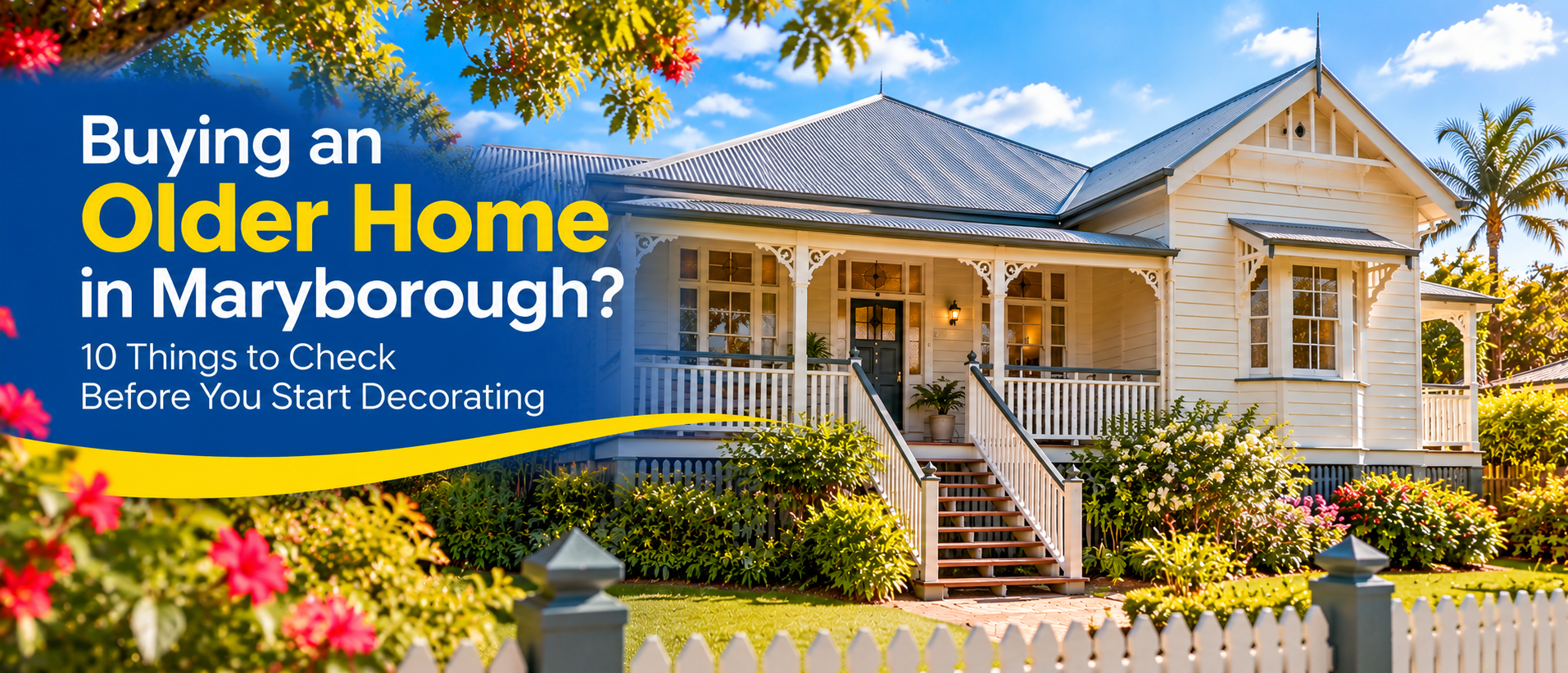
There's something special about buying an older home in Maryborough.
Whether it's a traditional Queenslander with high ceilings and timber floors, a charming inter or post-war cottage or a solid brick home that's been standing for decades, older homes often have a character that's difficult to recreate.
And while it's tempting to start planning new flooring, choosing furniture and picking paint colours as soon as you get the keys, it's worth taking a closer look at what you're working with first.
Older homes can come with a few surprises. Some are minor, while others can affect how you renovate, decorate and furnish your home.
The good news? A little planning before you start can save you time, money and frustration down the track.
Here are 10 things worth checking before you start decorating your older Maryborough home.
1. What's Hiding Under the Existing Flooring?
One of the first things people notice when walking into an older home is the flooring.
You might find worn carpet, dated vinyl, scratched timber floors or a combination of different flooring types throughout the house.
But what you see isn't always the full story.
Many older Maryborough homes have been renovated several times over the years. Previous owners may have installed new flooring over existing surfaces, meaning there could be multiple layers underneath.
Before deciding on new flooring, it's worth finding out what type of subfloor you have and whether it's suitable for the product you're considering.
For example, timber floors, concrete slabs and older flooring surfaces can all have different preparation requirements.
If you're unsure what's beneath the existing flooring, have it assessed by a suitably qualified professional before any removal or renovation work begins. Older building materials can sometimes require specialist assessment and handling.
Our tip: Don't choose your new flooring based on appearance alone. Understanding the existing floor first can help you avoid unexpected preparation costs.
2. Are the Floors Level and in Good Condition?
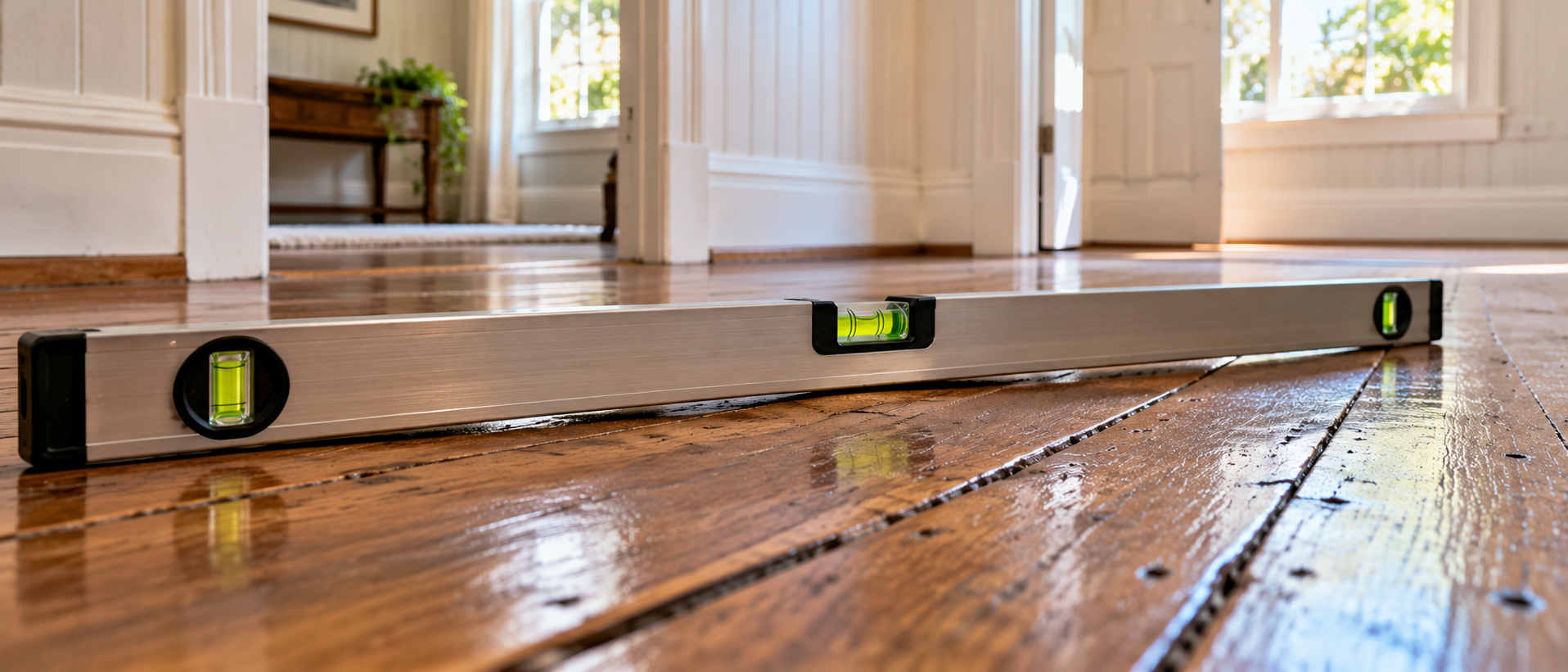
If you've ever walked through an older Queenslander, you may have noticed that some floors aren't perfectly level.
Over time, houses can settle, timber can move and older flooring systems can develop uneven areas.
A slight slope might not be immediately noticeable when a room is empty, but it can become more obvious once furniture is in place.
Uneven floors can also affect the installation of certain flooring products.
For example, many modern plank flooring products require a subfloor that meets specific flatness and stability requirements.
Before investing in new flooring, it's worth having any noticeable movement, soft spots or uneven areas professionally assessed.
A qualified building professional can determine whether repairs or further investigation are needed.
Our tip: If you're planning to replace flooring throughout the home, identify any subfloor issues early. It's much easier to address them before new flooring and furniture are installed.
3. Look for Moisture and Ventilation Problems
Maryborough's warm weather, humidity and periods of heavy rainfall can make moisture an important consideration, particularly in older homes.
Some traditional Queenslanders were designed with raised floors and plenty of airflow underneath, while other older properties may have enclosed areas, limited ventilation or previous alterations that affect how moisture moves through the building.
Before decorating, pay attention to things like persistent musty smells, visible water staining or rooms that seem unusually damp. Moisture problems can affect more than the building itself. They can influence the performance of flooring, damage furniture and contribute to unpleasant smells in carpets and soft furnishings.
If you suspect a moisture problem, arrange for a qualified professional to investigate the cause before installing new finishes.
Our tip: A flooring product that looks perfect in a showroom still needs to be suitable for the conditions in your home.
4. Understand What You Can and Can't Change
Maryborough is known for its beautiful older buildings and traditional Queensland architecture.
From decorative timber features and VJ walls to wide verandahs and high ceilings, these details are often part of what makes an older home so appealing.
But before making major changes, it's important to understand whether any planning or heritage requirements apply to your property.
Some homes may be subject to local heritage protections or planning controls that affect certain alterations.
It's worth checking with Fraser Coast Regional Council and seeking appropriate professional advice before undertaking work that could affect protected features.
Even when restrictions don't apply, it's worth considering whether original details could become part of your decorating scheme rather than something to remove. A beautiful timber feature wall, for example, might work wonderfully alongside a modern lounge and a contemporary rug.
Our tip: Sometimes the best way to modernise an older home is to work with its character rather than against it.
5. Complete Repairs Before Cosmetic Improvements
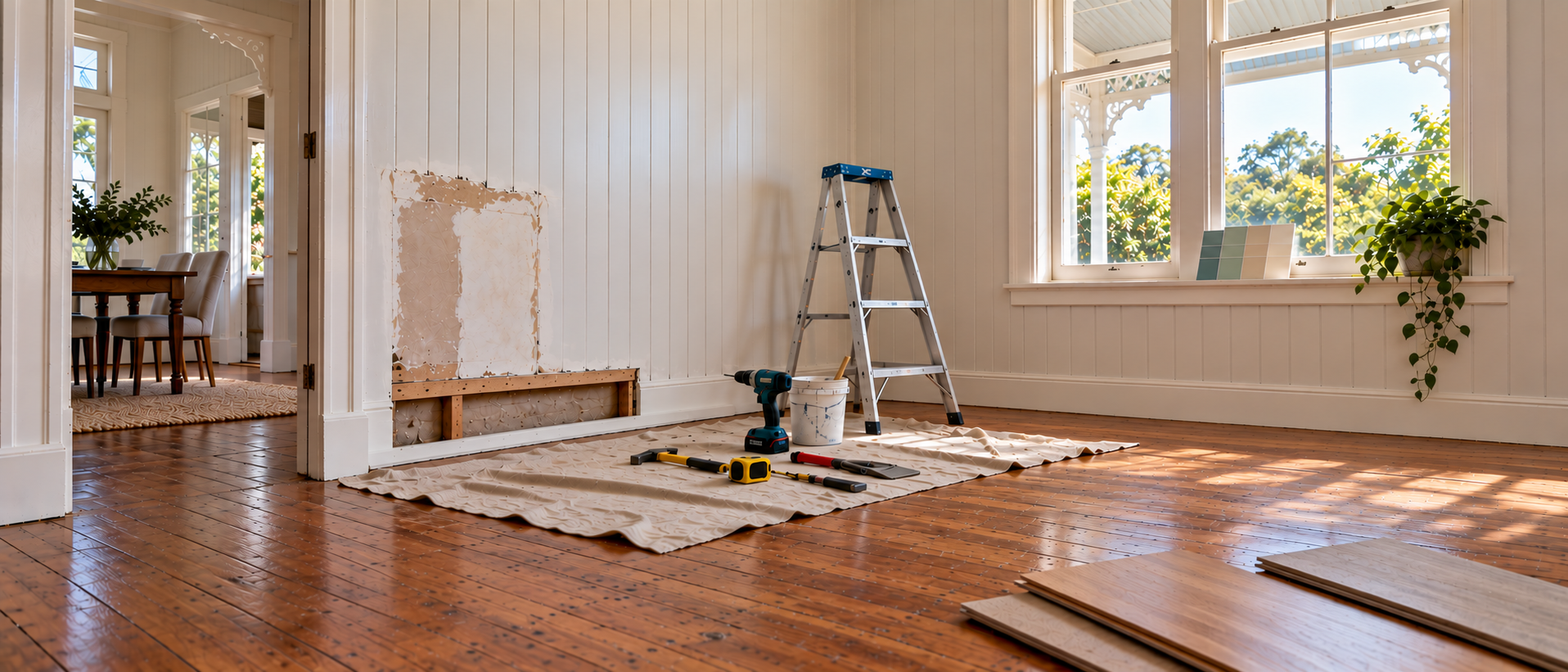
It's easy to get excited about the visible improvements. Fresh paint, new carpet, stylish furniture and updated window coverings can completely transform a room.
But there's little point spending money on those finishing touches if other work still needs to be done.
Imagine installing beautiful new carpet, only to discover that a section of wall needs repairing or that tradespeople need to carry equipment through the room.
Suddenly, that brand-new flooring is exposed to unnecessary wear and possible damage.
Before decorating, take stock of any outstanding repairs. These might include damaged walls, leaking windows, deteriorating skirting boards, doors that don't close properly or other maintenance issues.
Have any significant concerns assessed by the appropriate licensed professional, particularly where electrical, plumbing, structural or potentially hazardous materials may be involved.
Then work out the most sensible order for completing the improvements.
Our tip: Think of flooring and furniture as part of the finishing stage. Get the disruptive work out of the way first wherever possible.
6. Consider How Comfortable the Home Will Be Year-Round
Older homes can have wonderful features, but they don't always offer the same level of comfort as newer homes.
A traditional Queenslander might have excellent airflow and high ceilings, yet still feel chilly on a winter morning.
An older brick home might be comfortable during part of the day but become quite warm when the afternoon sun hits.
Before choosing flooring and furnishings, spend some time understanding how each room feels throughout the day.
Which rooms receive strong sunlight?
Which spaces feel cooler?
Are there areas where you would appreciate a softer, warmer surface underfoot?
These observations can help guide your decorating decisions.
Carpet can add softness and comfort to bedrooms and living areas, while rugs can help make rooms with hard flooring feel more inviting.
Window coverings and thoughtful furniture placement can also make a difference to everyday comfort.
Our tip: Choose finishes based on how you'll actually use the room, not just how you want it to look in a photograph.
7. Measure Your Rooms Before Buying Furniture
One of the quirks of older homes is that room sizes and layouts aren't always what you'd expect.
You might have a generous lounge room but narrow doorways, an unusually shaped bedroom or a dining area that doesn't comfortably accommodate a modern six-seater setting.
And just because a piece of furniture fits inside a room doesn't necessarily mean it will work well there.
A large lounge might leave very little walking space. A recliner might need more clearance than you anticipated. A tall cabinet could interfere with a window or doorway.
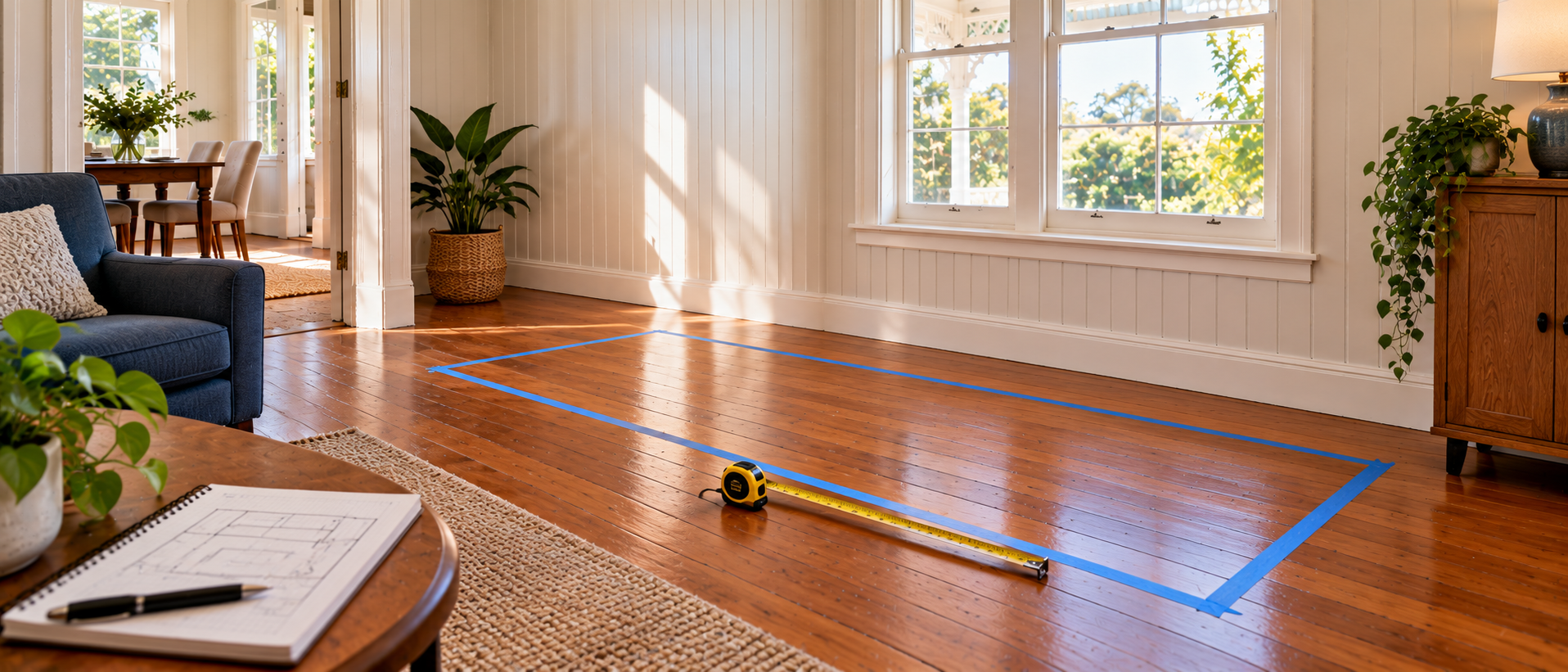
Before purchasing furniture, measure the room carefully and think about how people will move through the space.
Don't forget to check doorways, hallways and access points for delivery. This is particularly important for larger lounges, recliners, lift chairs and bedroom furniture.
Our tip: Use masking tape on the floor to mark out the approximate dimensions of larger furniture pieces. It's a simple way to see how much space they'll actually occupy.
8. Choose Flooring That Suits the House, Not Just the Style
New flooring can make one of the biggest differences to an older home. It can bring together rooms that previously felt disconnected, brighten dark spaces and make the whole house feel fresher.
But the right flooring choice isn't always the one that catches your eye first.
Older homes can have a variety of subfloor types, room layouts and environmental conditions, all of which may influence which products are suitable.
Carpet can be a comfortable choice for bedrooms and living spaces, particularly where softness and warmth are priorities.
Hybrid and vinyl plank flooring can provide a contemporary timber-look finish, although their suitability will depend on the subfloor and installation requirements.
Sheet vinyl can also be worth considering in certain spaces, offering a practical and easy-care surface.
And if your home has attractive original timber flooring, you may decide that keeping it is part of the appeal.
It's also worth thinking about how different flooring choices will work together.
Using too many contrasting finishes can make a home feel disjointed, particularly when rooms are visible from one another.
Our tip: Before committing to a flooring product, have the existing floor assessed and discuss the options with a flooring specialist. The best choice should suit both your home's conditions and your lifestyle.
9. Don't Feel You Have to Make Everything Look New
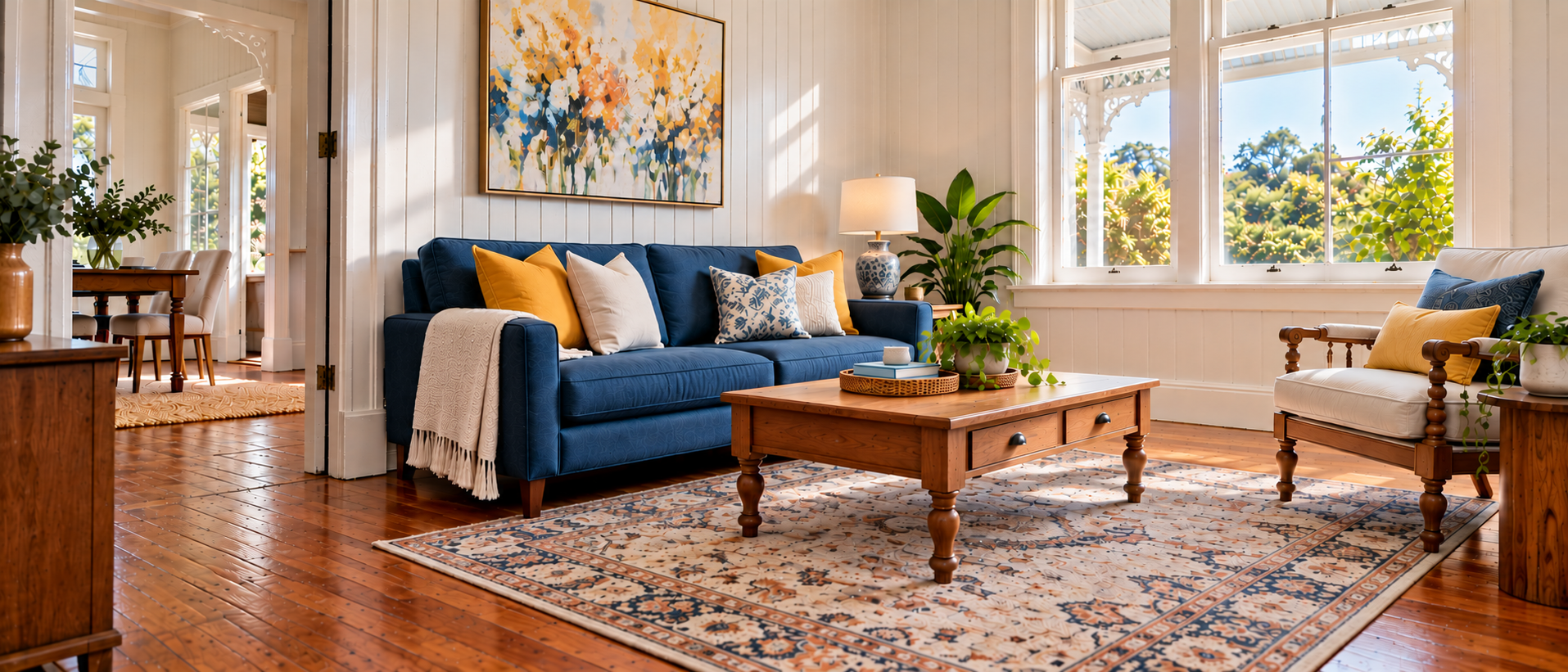
One of the biggest mistakes people can make when decorating an older home is trying to remove every sign of its age.
Of course, some features may be tired, damaged or no longer practical. But others might be exactly what gives the home its personality.
A traditional timber doorway, decorative ceiling or original feature wall can look fantastic when paired with contemporary furniture.
You don't need antique furniture to suit an older house, either.
A modern lounge, comfortable recliner, fresh rug and a few carefully chosen accessories can create a beautiful balance between old and new.
The key is finding a style that feels consistent without making everything match.
For example, a room with warm timber features might benefit from neutral upholstery, soft textures and a rug that ties the colours together.
Or a room with traditional white VJ walls might be the perfect backdrop for a bold-coloured occasional chair.
Our tip: Pick a few original features you genuinely love and let them guide your decorating choices. You may find you need to change less than you originally thought.
10. Decide What Needs Doing Now and What Can Wait
Buying a home is a significant investment, and the costs don't necessarily stop when you collect the keys.
There's moving, maintenance, repairs and all those little things you suddenly discover you need.
Trying to renovate and furnish every room immediately can put unnecessary pressure on your budget.
Instead, make a list of what needs attention and divide it into priorities.
Start with essential repairs and any issues that affect the safety or condition of the home.
Next, consider improvements that are easier to complete before moving furniture in, such as painting and replacing flooring.
Then focus on the furniture and furnishings that will make the biggest difference to your everyday comfort.
Perhaps the bedrooms need new carpet, but the lounge furniture can wait another six months. Or maybe the existing flooring is perfectly serviceable, but a comfortable new lounge would make the living room far more enjoyable. There's no rule that says everything has to be completed at once.
In fact, living in an older home for a little while can help you understand what really needs changing.
Our tip: Prioritise the improvements that are difficult or disruptive to complete later. Flooring is often much easier to replace before rooms are filled with furniture.
Make Your Older Home Feel Like Yours
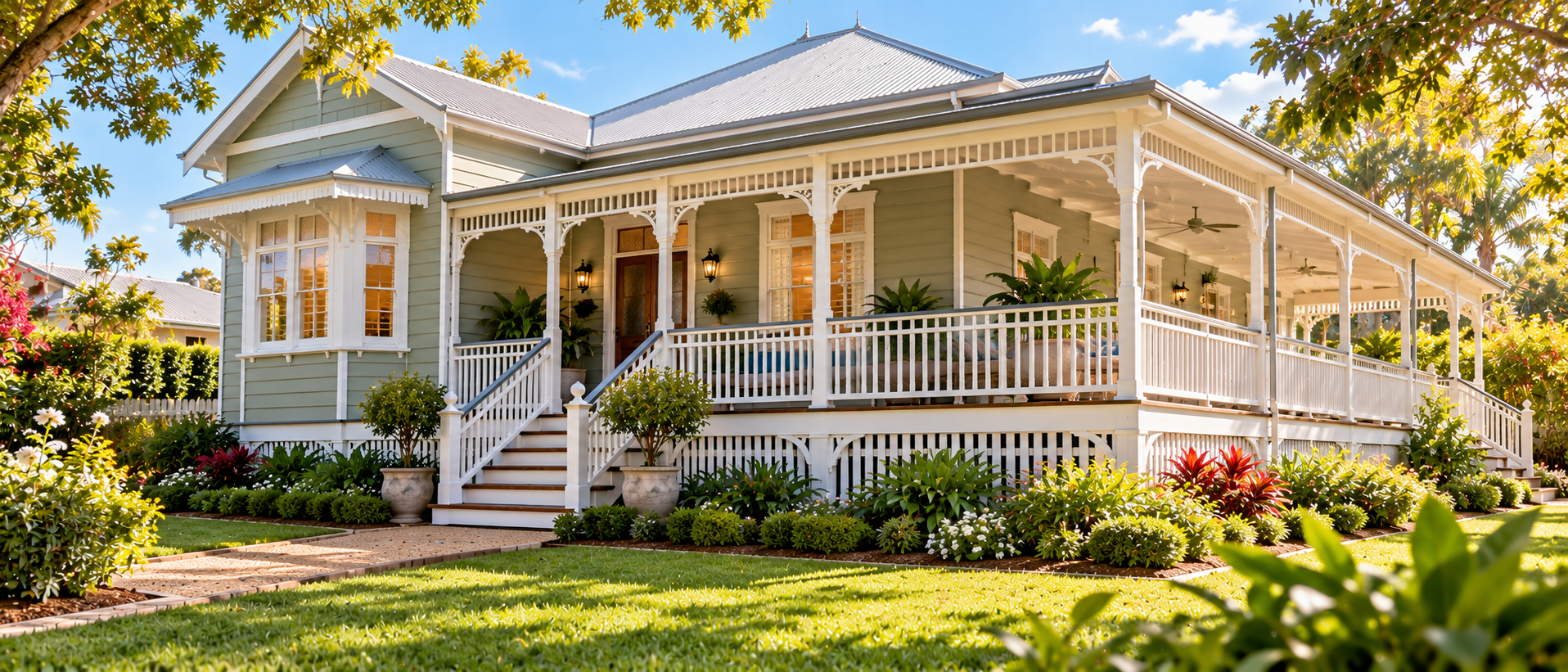
Buying an older home in Maryborough can be the beginning of something wonderful.
Whether you're restoring a traditional Queenslander, updating a family home or making a smaller property more comfortable for retirement, you don't necessarily need a complete renovation to achieve a beautiful result.
Sometimes it's simply about understanding what you have, dealing with the important things first and making thoughtful choices about what comes next.
New flooring, comfortable furniture and a few carefully selected finishing touches can go a long way towards making an older house feel fresh, welcoming and truly yours.
And remember, you don't have to do everything at once.
Thinking About Updating Your Flooring or Furniture?
At Ron Mahers Flooring & Furniture, we help Maryborough and Fraser Coast homeowners find flooring and furniture options to suit their homes, lifestyles and budgets.
Whether you're looking at replacing tired carpet, exploring modern plank flooring or finding furniture that works in an older-style room, we're happy to help you consider your options.
Visit us at 265 Alice Street, Maryborough, and let's talk about making your house feel like home.
For structural, electrical, plumbing, hazardous materials or other specialist building concerns, always seek advice from an appropriately licensed or qualified professional before commencing work.